Baccarat Rouge 540 vs Pacific Chill
Side by side. Scored honestly.
← Compare different fragrances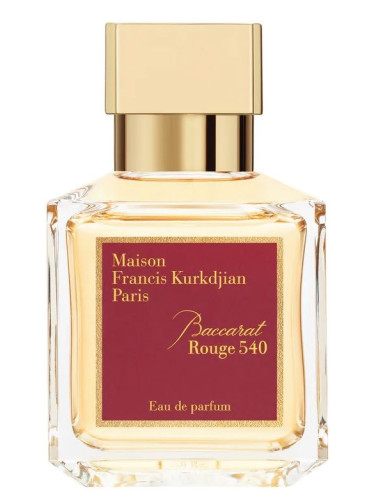
Side by side
Comparing the originals — price, breadth, listed-note depth.
Saffron opens sharp and slightly medicinal, then almost immediately dissolves into a warm, luminous blur of jasmine and amberwood — the signature move that made this famous. The heart is less floral than it sounds; the jasmine reads more as a sweetened airiness than a recognizable bloom. Dry-down is where it lives: cedar and fir resin ground a soft, skin-close amber that radiates rather than announces itself, with sillage that lingers in a room long after you've left — Fall and winter wearing, for anyone who wants to smell expensive without being loud about it.
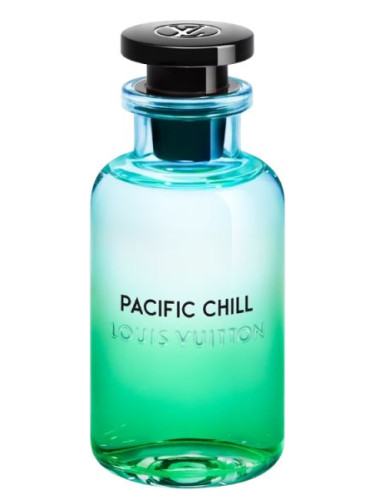
Opens with a sharp citrus burst — lemon and orange cut clean, brightened immediately by cool mint that keeps everything from reading as simple fruit. Blackcurrant pulls it slightly dark in the heart, while coriander and basil add an herbal edge that stops it from going sweet. Rose sits quietly underneath without announcing itself; fig rounds the dry-down into something soft and slightly creamy. Projection is moderate, sillage polite — this stays close by afternoon. — Best worn spring through summer, ideal for anyone who wants fresh without smelling like a generic sport fragrance.
How they overlap
Baccarat Rouge 540 and Pacific Chill share no notes in common — these two fragrances target very different olfactory territory, and the comparison is a question of which direction you want to go rather than which version of the same accord.
The buying decision
Baccarat Rouge 540 is the cheaper original at $335 compared to $450 for Pacific Chill — about 26% less. Baccarat Rouge 540 is built for fall/winter; Pacific Chill for spring/summer. Pick by when you'd actually wear it.
Recommendation
If you're price-sensitive, Baccarat Rouge 540 delivers comparable territory at $115 less than Pacific Chill. If you want the specific character of Pacific Chill — the prose above is the better guide than the price — the premium is what you're paying for.
Free: The 30 Best-Tested Dupes Under $40
A community-scored cheat sheet you can download now — 30 designer scents matched for under $40, ranked by accuracy and longevity.