Baccarat Rouge 540 vs Amyris Homme
Side by side. Scored honestly.
← Compare different fragrances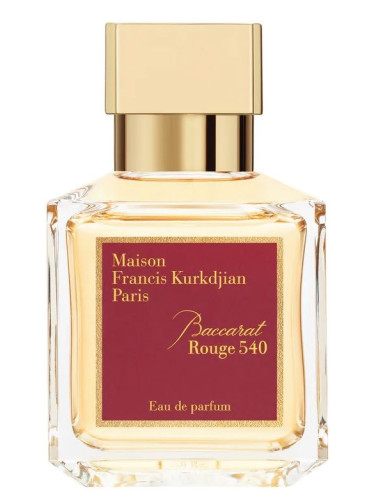
Side by side
Comparing the originals — price, breadth, listed-note depth.
Saffron opens sharp and slightly medicinal, then almost immediately dissolves into a warm, luminous blur of jasmine and amberwood — the signature move that made this famous. The heart is less floral than it sounds; the jasmine reads more as a sweetened airiness than a recognizable bloom. Dry-down is where it lives: cedar and fir resin ground a soft, skin-close amber that radiates rather than announces itself, with sillage that lingers in a room long after you've left — Fall and winter wearing, for anyone who wants to smell expensive without being loud about it.
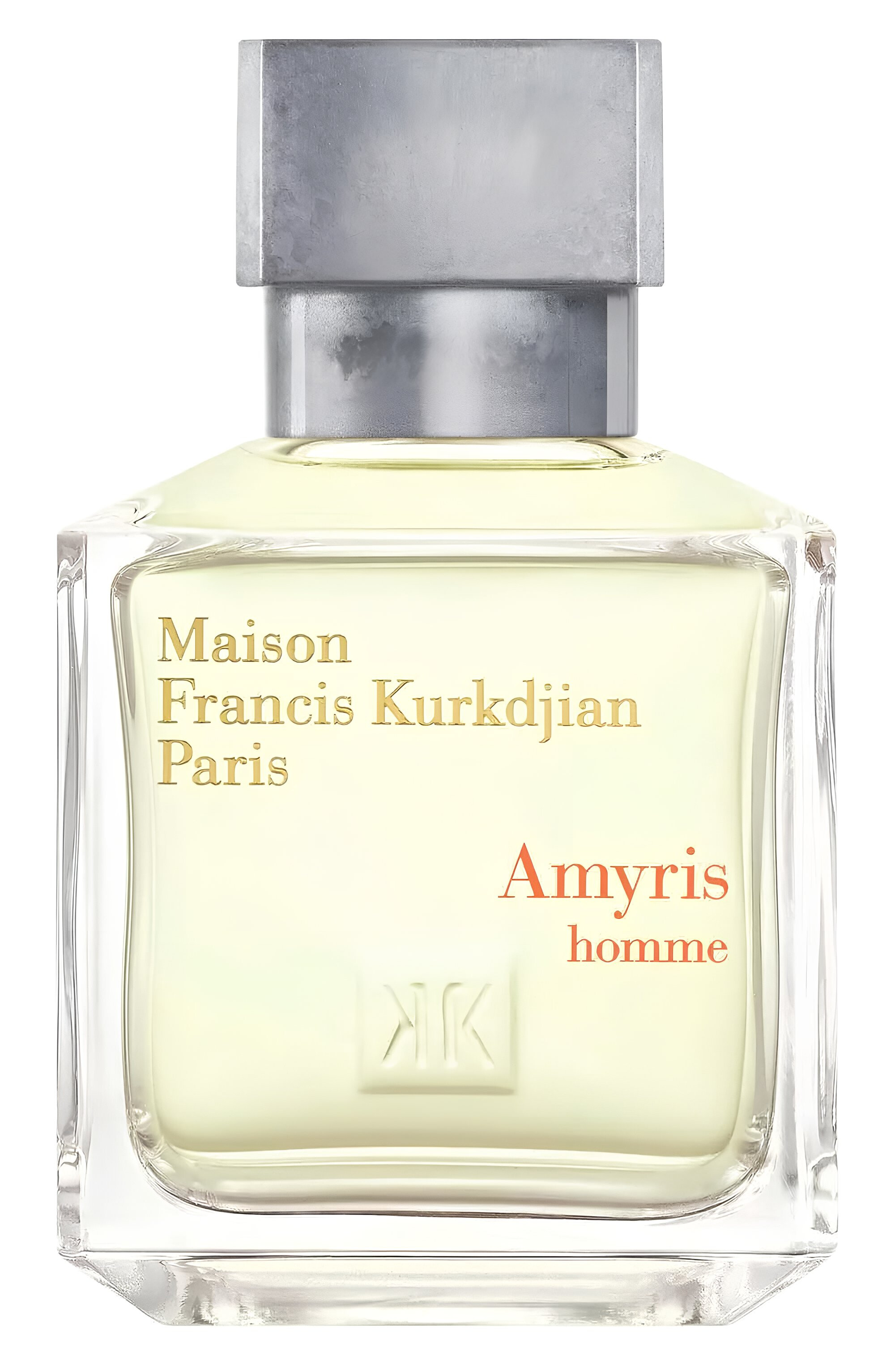
Mandarin and rosemary open with a clean, citrus-herbal brightness that reads more composed than lively — functional rather than exuberant. Saffron surfaces quickly, pulling warmth into the heart alongside amyris's soft, slightly milky woodiness and a quiet iris that adds powdery depth without going full cosmetic. The cedar-tonka dry-down is smooth and unhurried, grounding everything in a warm, lightly sweet base with good skin-level sillage that holds for hours without demanding attention. Projection stays moderate — present, never loud. — Ideal for office wear or cool-weather evenings when understated warmth is the goal.
How they overlap
Baccarat Rouge 540 and Amyris Homme share exactly one note (saffron). The overlap is real but narrow — most of the wear experience will diverge.
The buying decision
Amyris Homme is the cheaper original at $235 compared to $335 for Baccarat Rouge 540 — about 30% less. Amyris Homme covers 3 seasons (spring, fall, winter) — wider weather range than Baccarat Rouge 540, which leans fall/winter-only.
Recommendation
If you're price-sensitive, Amyris Homme delivers comparable territory at $100 less than Baccarat Rouge 540. If you want the specific character of Baccarat Rouge 540 — the prose above is the better guide than the price — the premium is what you're paying for.
Free: The 30 Best-Tested Dupes Under $40
A community-scored cheat sheet you can download now — 30 designer scents matched for under $40, ranked by accuracy and longevity.