Eleventh Hour vs Bal d'Afrique
Side by side. Scored honestly.
← Compare different fragrances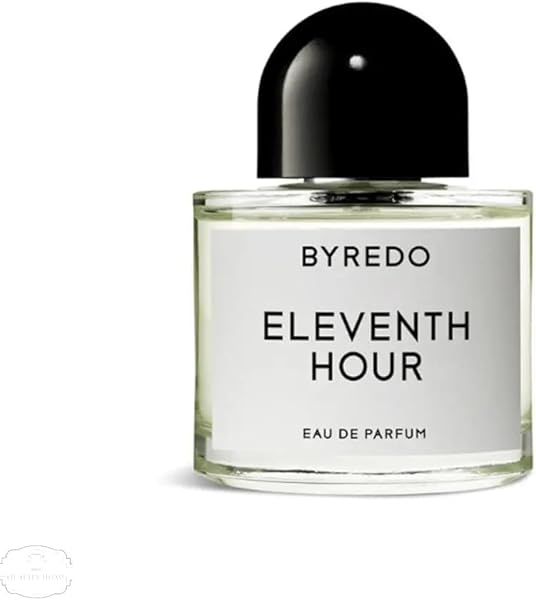

Side by side
Comparing the originals — price, breadth, listed-note depth.
Opens with sharp, almost medicinal black pepper that cuts cleanly before tobacco moves in and softens the edges. The heart is dry and slightly smoky — not sweet tobacco, but raw leaf. Leather arrives quietly, backing the tobacco rather than competing with it. The dry-down is where birch and vetiver take over, pulling everything into cool, ashy wood that sits close to skin with moderate sillage and a long, unhurried fade — Dark and austere, built for cold weather and people who want presence without performance.
Neroli and bergamot open with a clean, slightly medicinal citrus brightness that feels more North African sun than Mediterranean fruit stand. The heart settles quickly into a soft floral blur — violet and cyclamen doing most of the work, with jasmine staying polite rather than heady, and marigold adding a faint earthy-green edge that keeps the whole thing from going powdery. Cedar and vetiver ground the dry-down into something warm and slightly smoky, with vanilla threading through just enough to add skin-like depth without sweetness. Projection is moderate; sillage lingers close and intimate rather than announcing itself across a room — Warm-weather days and evenings for anyone who wants a grown-up, culturally curious floral that reads confidently unisex.
How they overlap
Eleventh Hour and Bal d'Afrique share exactly one note (vetiver). The overlap is real but narrow — most of the wear experience will diverge.
The buying decision
Eleventh Hour is the cheaper original at $175 compared to $210 for Bal d'Afrique — about 17% less. Eleventh Hour is built for fall/winter; Bal d'Afrique for spring/summer/fall. Pick by when you'd actually wear it.