Allure Homme vs Coco Mademoiselle
Side by side. Scored honestly.
← Compare different fragrances
Side by side
Comparing the originals — price, breadth, listed-note depth.
Bergamot and lemon open clean and bright but settle quickly, letting cardamom take over with a warm, slightly spiced edge. The heart is understated — jasmine barely registers, playing softly behind the spice rather than announcing itself. Tobacco and cedar anchor the dry-down with a dry, woody smokiness, while vanilla and white musk keep it approachable rather than heavy. Projection is moderate, sillage stays close to skin, and the whole effect reads as quietly refined rather than bold — a fall and winter everyday wear for men who want warmth without drama.
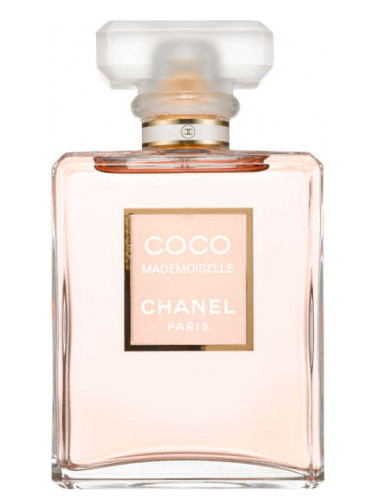
Bright bergamot and orange cut through immediately on opening — clean and citrus-sharp without smelling like a room spray. The heart softens fast into rose and jasmine, polished and feminine but never powdery or old-fashioned. Patchouli grounds everything without going earthy or dark; it reads more as depth than dirt. Dry-down is white musk doing the heavy lifting — warm, skin-close, slightly sweet. Projection is moderate and well-behaved; the sillage lingers as a soft floral-woody trail rather than a statement cloud — an everyday wear for someone who wants to smell intentionally put-together without trying too hard.
How they overlap
Allure Homme and Coco Mademoiselle share 3 notes (bergamot, jasmine, white musk). The same note name doesn't always mean the same scent — different houses use different vanillas, different woods, different musks — but a multi-note shared spine usually does indicate genuinely-comparable wear character. The remaining notes (5 unique to Allure Homme, 3 unique to Coco Mademoiselle) are where the divergence happens.
The buying decision
Allure Homme is the cheaper original at $155 compared to $165 for Coco Mademoiselle — about 6% less. Allure Homme is built for fall/winter; Coco Mademoiselle for spring/summer/fall. Pick by when you'd actually wear it. Heads up: Allure Homme is marketed masculine, Coco Mademoiselle is marketed feminine — they target different wearers, though plenty of buyers cross those lines.