Chance Eau Fraîche EDT vs Chance Eau Tendre
Side by side. Scored honestly.
← Compare different fragrances
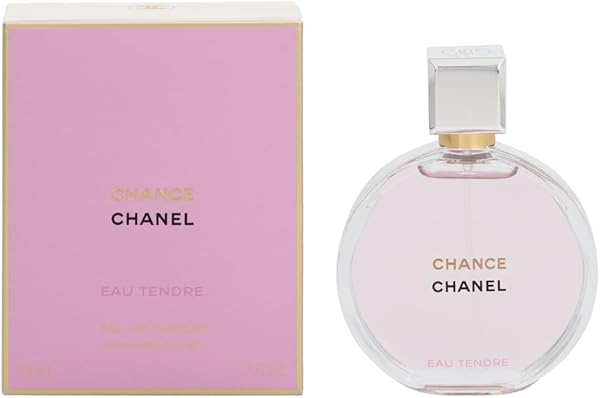
Side by side
Comparing the originals — price, breadth, listed-note depth.
Opens with a sharp, juicy grapefruit that feels genuinely clean rather than synthetic, brightened by water hyacinth adding a cool, slightly green aquatic lift. The heart softens into a restrained jasmine — present but never heady — before teak wood and cedar pull it into a dry, lightly smoky base. White musk keeps the dry-down skin-close and airy. Projection stays moderate; sillage is polite rather than commanding, fading gracefully within a few hours — best worn in warm weather when you want something effortless, light, and quietly put-together.
Grapefruit dominates the opening — bright, slightly tart, almost candied by the quince underneath. The heart softens quickly into a sheer jasmine with hyacinth adding a cool, green lift rather than anything powdery or heavy. The dry-down is where it earns its reputation: white musk and cedar settle into a clean, skin-close warmth that lingers without announcing itself. Projection is polite, sillage light — this one stays in your orbit, not the room's. — Ideal for warm-weather days, offices, or anyone who wants an effortless, grown-up clean without going aquatic.
How they overlap
Chance Eau Fraîche EDT and Chance Eau Tendre share 4 notes (grapefruit, jasmine, white musk, cedar). The same note name doesn't always mean the same scent — different houses use different vanillas, different woods, different musks — but a multi-note shared spine usually does indicate genuinely-comparable wear character. The remaining notes (2 unique to Chance Eau Fraîche EDT, 2 unique to Chance Eau Tendre) are where the divergence happens.
The buying decision
Original-bottle pricing is essentially identical ($165 vs $165), so the choice rarely comes down to upfront cost. Both wear best across the same spring/summer — they're interchangeable on weather fit.
Free: The 30 Best-Tested Dupes Under $40
A community-scored cheat sheet you can download now — 30 designer scents matched for under $40, ranked by accuracy and longevity.