Coco Noir vs Chance Eau Tendre
Side by side. Scored honestly.
← Compare different fragrances
Side by side
Comparing the originals — price, breadth, listed-note depth.
Grapefruit and bergamot open with a brief, almost impatient brightness before the heart pulls the whole thing into darker territory — rose and jasmine read less as florals and more as a warm, slightly powdery haze. The sandalwood and patchouli anchor the dry-down with real weight, softened but not sweetened by tonka and vanilla. Projection is confident without being aggressive; sillage lingers in close range for hours. It wears like velvet feels — dense, smooth, intentional — A cool-weather fragrance built for evenings, boardrooms after dark, and anyone who wants a classic floral backbone with genuine edge.
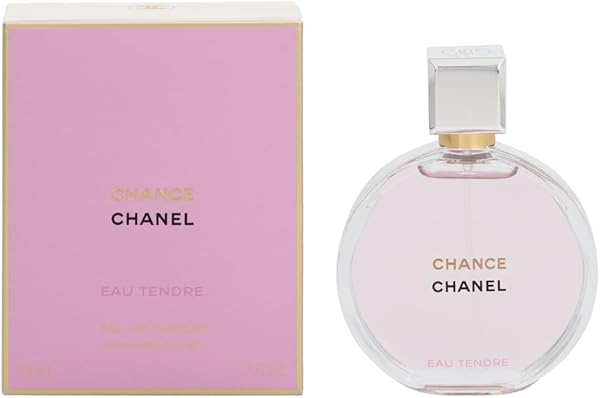
Grapefruit dominates the opening — bright, slightly tart, almost candied by the quince underneath. The heart softens quickly into a sheer jasmine with hyacinth adding a cool, green lift rather than anything powdery or heavy. The dry-down is where it earns its reputation: white musk and cedar settle into a clean, skin-close warmth that lingers without announcing itself. Projection is polite, sillage light — this one stays in your orbit, not the room's. — Ideal for warm-weather days, offices, or anyone who wants an effortless, grown-up clean without going aquatic.
How they overlap
Coco Noir and Chance Eau Tendre share 2 notes (grapefruit, jasmine). The same note name doesn't always mean the same scent — different houses use different vanillas, different woods, different musks — but a multi-note shared spine usually does indicate genuinely-comparable wear character. The remaining notes (6 unique to Coco Noir, 4 unique to Chance Eau Tendre) are where the divergence happens.
The buying decision
Coco Noir is the cheaper original at $155 compared to $165 for Chance Eau Tendre — about 6% less. Coco Noir is built for fall/winter; Chance Eau Tendre for spring/summer. Pick by when you'd actually wear it.