No. 19 vs Coco Mademoiselle
Side by side. Scored honestly.
← Compare different fragrances
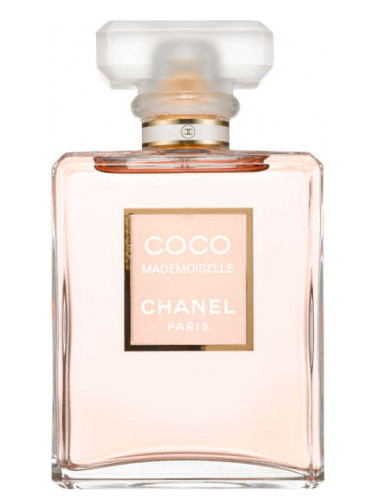
Side by side
Comparing the originals — price, breadth, listed-note depth.
Sharp and green from the first second — galbanum cuts through like fresh-snapped stems, backed by cool neroli and bergamot that keep the opening brisk rather than sweet. The heart is iris-dominant, powdery and rooty in the best way, with rose and jasmine lending depth without tipping into softness. Vetiver and oakmoss anchor the dry-down into something dry, slightly smoky, and genuinely austere. Projection is moderate, sillage is refined and close-wearing. — Built for cool weather and self-possession; spring and fall mornings, professional settings, women who find most florals too accommodating.
Bright bergamot and orange cut through immediately on opening — clean and citrus-sharp without smelling like a room spray. The heart softens fast into rose and jasmine, polished and feminine but never powdery or old-fashioned. Patchouli grounds everything without going earthy or dark; it reads more as depth than dirt. Dry-down is white musk doing the heavy lifting — warm, skin-close, slightly sweet. Projection is moderate and well-behaved; the sillage lingers as a soft floral-woody trail rather than a statement cloud — an everyday wear for someone who wants to smell intentionally put-together without trying too hard.
How they overlap
No. 19 and Coco Mademoiselle share 3 notes (bergamot, rose, jasmine). The same note name doesn't always mean the same scent — different houses use different vanillas, different woods, different musks — but a multi-note shared spine usually does indicate genuinely-comparable wear character. The remaining notes (5 unique to No. 19, 3 unique to Coco Mademoiselle) are where the divergence happens.
The buying decision
No. 19 is the cheaper original at $155 compared to $165 for Coco Mademoiselle — about 6% less. Coco Mademoiselle covers 3 seasons (spring, summer, fall) — wider weather range than No. 19, which leans spring/fall-only.