Pour Monsieur vs Coco Mademoiselle
Side by side. Scored honestly.
← Compare different fragrances
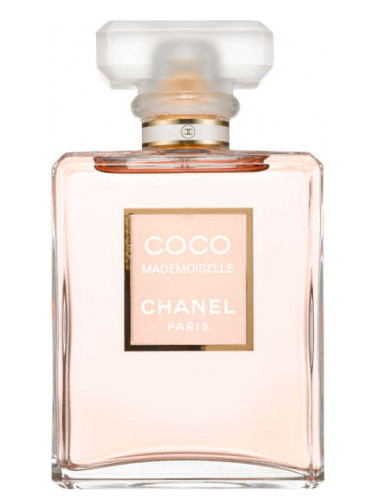
Side by side
Comparing the originals — price, breadth, listed-note depth.
Bright and clean from the first spray, neroli and bergamot open with a citrus clarity that reads as polished rather than zesty, with cardamom adding a dry, faintly spiced edge underneath. The heart settles into quiet oakmoss territory — green and slightly earthy — before cedar and vetiver pull the dry-down toward a cool, woody base that lingers close to skin. Projection is restrained and sillage is modest; this wears like something you notice only when you're close enough to matter — A spring or summer choice for men who prefer understated refinement over statement-making.
Bright bergamot and orange cut through immediately on opening — clean and citrus-sharp without smelling like a room spray. The heart softens fast into rose and jasmine, polished and feminine but never powdery or old-fashioned. Patchouli grounds everything without going earthy or dark; it reads more as depth than dirt. Dry-down is white musk doing the heavy lifting — warm, skin-close, slightly sweet. Projection is moderate and well-behaved; the sillage lingers as a soft floral-woody trail rather than a statement cloud — an everyday wear for someone who wants to smell intentionally put-together without trying too hard.
How they overlap
Pour Monsieur and Coco Mademoiselle share exactly one note (bergamot). The overlap is real but narrow — most of the wear experience will diverge.
The buying decision
Pour Monsieur is the cheaper original at $130 compared to $165 for Coco Mademoiselle — about 21% less. Coco Mademoiselle covers 3 seasons (spring, summer, fall) — wider weather range than Pour Monsieur, which leans spring/summer-only. Heads up: Pour Monsieur is marketed masculine, Coco Mademoiselle is marketed feminine — they target different wearers, though plenty of buyers cross those lines.
Free: The 30 Best-Tested Dupes Under $40
A community-scored cheat sheet you can download now — 30 designer scents matched for under $40, ranked by accuracy and longevity.