Fahrenheit vs Sauvage EDT
Side by side. Scored honestly.
← Compare different fragrances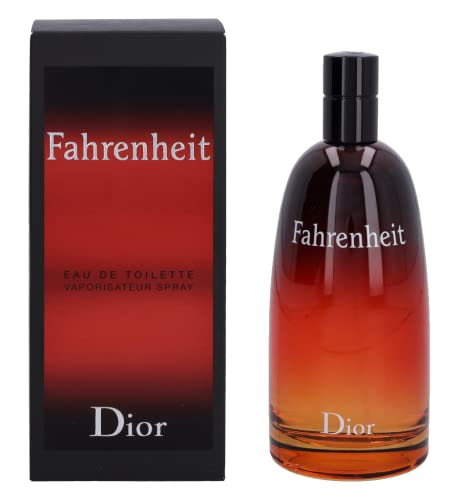
Side by side
Comparing the originals — price, breadth, listed-note depth.
Opens with a sharp, almost gasoline-edged violet and cedar accord that reads more industrial than floral — distinctive and polarizing right from the first spray. The lavender and nutmeg soften the heart, adding a faintly spiced warmth without going sweet, while honeysuckle provides just enough freshness to keep it from feeling heavy. The leather dry-down is the anchor: smooth, slightly animalic, and long-lasting with moderate-to-strong sillage that fills a room without shouting. — Best worn in cool weather by someone who wants to be noticed without explaining themselves.
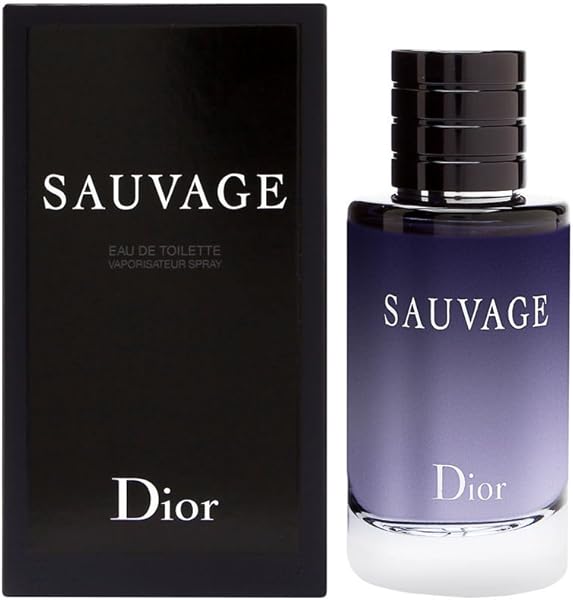
Bergamot hits first — bright, slightly sweet, almost citrus-soda — then pepper (both kinds) sharpens the opening into something dry and almost electric. Lavender and geranium soften the heart without going floral, keeping it clean and slightly herbal. The real engine here is ambroxan, a skin-musk molecule that drives the dry-down into warm, mineral skin territory that reads as distinctly male without being heavy. Projection is loud for the first two hours, then settles into a tight, persistent sillage that stays close all day — Never disappears, just quiets. — Best in warm weather or transitional seasons; the office, the date, the errand run where you want to smell effortlessly put-together without trying too hard.
How they overlap
Fahrenheit and Sauvage EDT share exactly one note (lavender). The overlap is real but narrow — most of the wear experience will diverge.
The buying decision
Original-bottle pricing is essentially identical ($142 vs $142), so the choice rarely comes down to upfront cost. Fahrenheit is built for spring/fall/winter; Sauvage EDT for spring/summer/fall. Pick by when you'd actually wear it.
Free: The 30 Best-Tested Dupes Under $40
A community-scored cheat sheet you can download now — 30 designer scents matched for under $40, ranked by accuracy and longevity.