Sauvage EDT vs Dior Homme Original
Side by side. Scored honestly.
← Compare different fragrances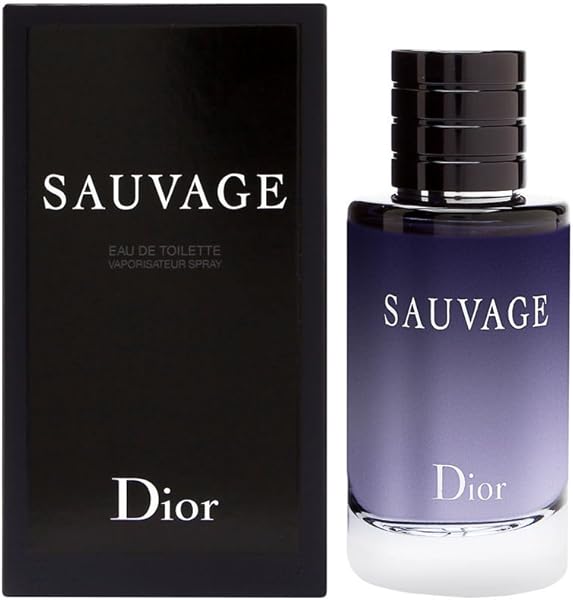

Side by side
Comparing the originals — price, breadth, listed-note depth.
Bergamot hits first — bright, slightly sweet, almost citrus-soda — then pepper (both kinds) sharpens the opening into something dry and almost electric. Lavender and geranium soften the heart without going floral, keeping it clean and slightly herbal. The real engine here is ambroxan, a skin-musk molecule that drives the dry-down into warm, mineral skin territory that reads as distinctly male without being heavy. Projection is loud for the first two hours, then settles into a tight, persistent sillage that stays close all day — Never disappears, just quiets. — Best in warm weather or transitional seasons; the office, the date, the errand run where you want to smell effortlessly put-together without trying too hard.
Opens with a cool, powdery iris that immediately reads as skin-close and slightly dusty, lifted by a whisper of cardamom that keeps it from feeling stale. The heart stays firmly iris-forward — cosmetic, almost lipstick-like — while cedar adds a dry structural backbone. Leather barely registers as leather; it's more of a soft, animalic warmth that prevents the powder from turning soapy. Dry-down is smooth ambroxan and quiet vetiver, projecting softly and staying tight to skin for hours — a low-sillage signature rather than a room-filler — Autumn and winter office wear for men comfortable stepping outside gender conventions.
How they overlap
Sauvage EDT and Dior Homme Original share exactly one note (ambroxan). The overlap is real but narrow — most of the wear experience will diverge.
The buying decision
Dior Homme Original is the cheaper original at $110 compared to $115 for Sauvage EDT — about 4% less. Sauvage EDT is built for spring/summer/fall; Dior Homme Original for fall/winter. Pick by when you'd actually wear it.
Free: The 30 Best-Tested Dupes Under $40
A community-scored cheat sheet you can download now — 30 designer scents matched for under $40, ranked by accuracy and longevity.