Blue Talisman vs Black Opium
Side by side. Scored honestly.
← Compare different fragrances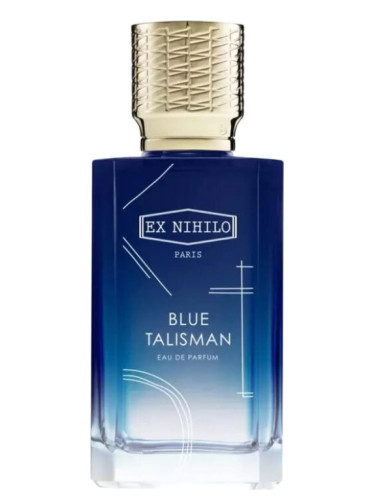
No shared notes — these two land in very different territory.
Side by side
Comparing the originals — price, breadth, listed-note depth.
Opens with a crisp, slightly tart bergamot that clears quickly to reveal the heart: a cool, powdery iris that leans more rooty and earthy than floral. Vetiver deepens things without going smoky — it stays clean and slightly green, grounding the iris rather than competing with it. Ambroxan hums underneath from the start, giving the whole composition that skin-close, airy warmth it builds toward. Projection is moderate; sillage is intimate by the dry-down, which settles into a soft vetiver-ambroxan skin scent — Wear spring through fall when you want something polished and quietly distinctive rather than loud.
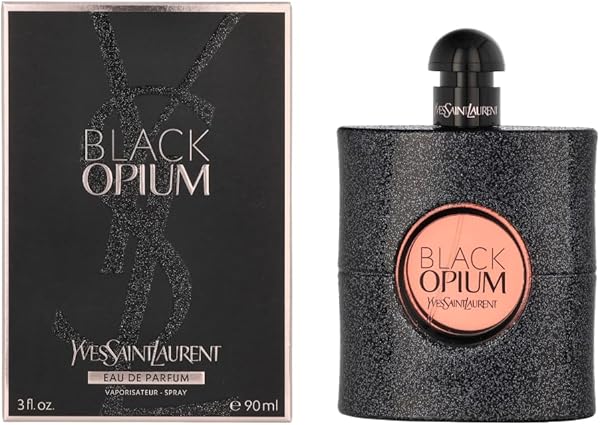
Opens with a sharp snap of pink pepper before coffee rushes in and dominates the heart alongside jasmine and orange blossom — not a clean floral coffee but something roasted and slightly dark. Projection is bold for the first few hours, with heavy sillage that announces itself in a room. The dry-down softens considerably as vanilla takes over, with patchouli grounding it just enough to avoid pure sweetness. Warm, enveloping, and unsubtle — best worn on cool evenings by anyone who wants to be noticed before they walk in.
How they overlap
Blue Talisman and Black Opium share no notes in common — these two fragrances target very different olfactory territory, and the comparison is a question of which direction you want to go rather than which version of the same accord.
The buying decision
Black Opium is the cheaper original at $174 compared to $385 for Blue Talisman — about 55% less. Blue Talisman is built for spring/summer/fall; Black Opium for fall/winter. Pick by when you'd actually wear it.
Recommendation
If you're price-sensitive, Black Opium delivers comparable territory at $211 less than Blue Talisman. If you want the specific character of Blue Talisman — the prose above is the better guide than the price — the premium is what you're paying for.
Free: The 30 Best-Tested Dupes Under $40
A community-scored cheat sheet you can download now — 30 designer scents matched for under $40, ranked by accuracy and longevity.