L'Interdit vs Insense
Side by side. Scored honestly.
← Compare different fragrances
Side by side
Comparing the originals — price, breadth, listed-note depth.
Opens with a sheer, slightly cool tuberose alongside orange blossom and jasmine — luminous rather than heady, never veering into vintage territory. The heart stays white and airy, the florals blending into one another rather than competing. Patchouli and vetiver ease in during the dry-down, grounding the whole thing without going dark or earthy; they just add enough weight to keep it from floating away entirely. Projection is moderate, sillage clean and close-wearing by the second hour — elegant rather than loud — This suits cooler spring evenings or early fall, best for someone who wants polished florals without sweetness or excess.
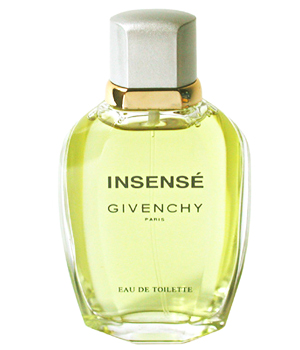
Opens with a sun-warmed burst of peach and apricot — ripe but not syrupy, closer to fresh fruit than jam. Tuberose emerges quickly in the heart, creamy and full without turning heady or indolic, anchored by the sweetness already in play. The dry-down softens into vanilla-laced sandalwood, warm and close-wearing with moderate sillage that stays in your orbit rather than announcing itself across a room. Projection is intimate by the second hour, leaving a soft gourmand-floral skin trail — best for warm-weather daywear or casual evenings when something effortlessly pretty is enough.
How they overlap
L'Interdit and Insense share exactly one note (tuberose). The overlap is real but narrow — most of the wear experience will diverge.
The buying decision
Insense is the cheaper original at $95 compared to $175 for L'Interdit — about 46% less. Insense covers 3 seasons (spring, summer, fall) — wider weather range than L'Interdit, which leans spring/fall-only.
Free: The 30 Best-Tested Dupes Under $40
A community-scored cheat sheet you can download now — 30 designer scents matched for under $40, ranked by accuracy and longevity.