Calèche vs Terre d'Hermès Parfum
Side by side. Scored honestly.
← Compare different fragrances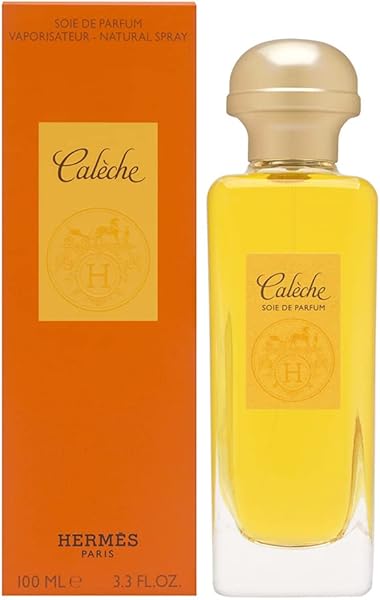
Side by side
Comparing the originals — price, breadth, listed-note depth.
Opens with a sharp, soapy aldehydic lift that gives the rose and iris an almost powdery, starched quality — clean but not light, structured like pressed fabric. The heart softens gradually as jasmine rounds out the floral core without turning sweet. The dry-down is where it earns its gravity: sandalwood and vetiver anchor everything with dry warmth, while civet adds a faint animalic undercurrent that keeps it from reading as purely decorative. Projection is moderate, sillage refined and close-wearing. — A cool-weather classic for someone who dresses deliberately and prefers sophistication over approachability.
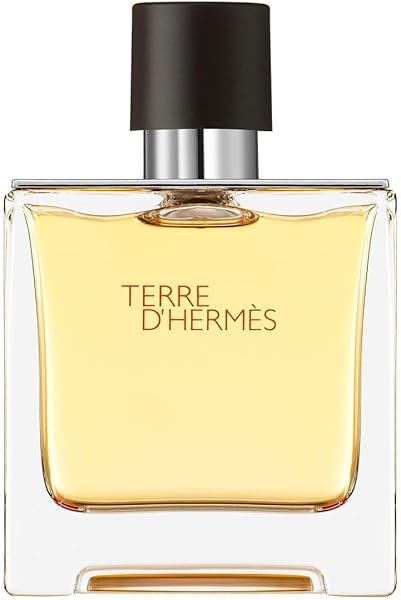
Opens with a sharp, sun-bleached orange cut through by a distinctive flint-and-mineral accord that smells genuinely like struck rock — dry, almost metallic, utterly distinctive. The heart settles into cedar that reads more architectural than woody, with the mineral thread persisting throughout. The dry-down brings vetiver and leather into a quiet, earthy base anchored by ambroxan's skin-close warmth. Projection is confident without being loud; sillage is refined rather than expansive, lasting well into evening — Autumn and winter, for men who want presence without performance.
How they overlap
Calèche and Terre d'Hermès Parfum share exactly one note (vetiver). The overlap is real but narrow — most of the wear experience will diverge.
The buying decision
Calèche is the cheaper original at $120 compared to $310 for Terre d'Hermès Parfum — about 61% less. Heads up: Calèche is marketed feminine, Terre d'Hermès Parfum is marketed masculine — they target different wearers, though plenty of buyers cross those lines.
Recommendation
If you're price-sensitive, Calèche delivers comparable territory at $190 less than Terre d'Hermès Parfum. If you want the specific character of Terre d'Hermès Parfum — the prose above is the better guide than the price — the premium is what you're paying for.