Calèche vs Twilly d'Hermès
Side by side. Scored honestly.
← Compare different fragrances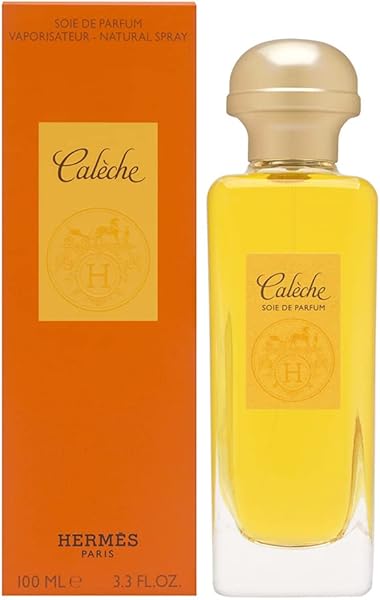
Side by side
Comparing the originals — price, breadth, listed-note depth.
Opens with a sharp, soapy aldehydic lift that gives the rose and iris an almost powdery, starched quality — clean but not light, structured like pressed fabric. The heart softens gradually as jasmine rounds out the floral core without turning sweet. The dry-down is where it earns its gravity: sandalwood and vetiver anchor everything with dry warmth, while civet adds a faint animalic undercurrent that keeps it from reading as purely decorative. Projection is moderate, sillage refined and close-wearing. — A cool-weather classic for someone who dresses deliberately and prefers sophistication over approachability.
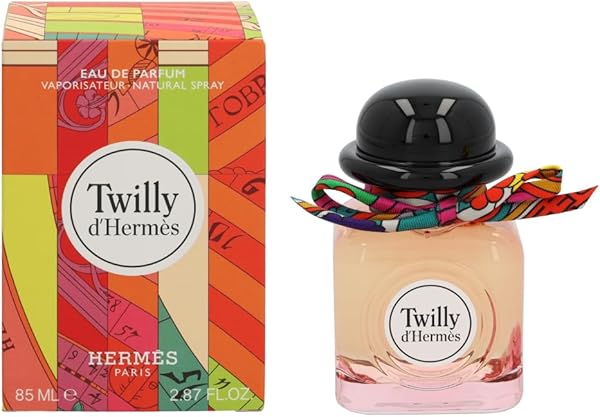
Bright ginger and bergamot snap open with some genuine bite before the bitter orange softens the edge within minutes. The heart blooms into tuberose and orange blossom, creamy but not heavy — jasmine keeps it from going full bridal. Sandalwood and vanilla ease into the dry-down, adding warmth without tipping into gourmand territory. Projection is modest and close-sitting; sillage is light but persistent, leaving a clean floral-woody trail for hours — best worn in warmer months when skin heat does the amplifying work for you.
How they overlap
Calèche and Twilly d'Hermès share 2 notes (jasmine, sandalwood). The same note name doesn't always mean the same scent — different houses use different vanillas, different woods, different musks — but a multi-note shared spine usually does indicate genuinely-comparable wear character. The remaining notes (5 unique to Calèche, 6 unique to Twilly d'Hermès) are where the divergence happens.
The buying decision
Calèche is the cheaper original at $120 compared to $155 for Twilly d'Hermès — about 23% less. Calèche is built for fall/winter; Twilly d'Hermès for spring/summer/fall. Pick by when you'd actually wear it.