Eau de Merveilles vs Terre d'Hermès
Side by side. Scored honestly.
← Compare different fragrances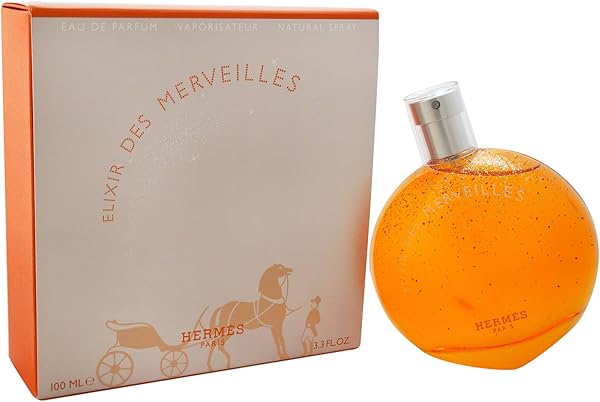
Side by side
Comparing the originals — price, breadth, listed-note depth.
Pink pepper and orange zest open bright and slightly fizzy, but they don't linger — within an hour, the heart settles into a dry, mineral ambergris that reads more oceanic salt than sweet. Cedar and oakmoss anchor the dry-down in cool, earthy wood without going dark or heavy. Projection is moderate and polished; sillage stays close to skin by midday, leaving a clean mineral trail that's subtle but distinctive. Unisex in practice despite its positioning — — Fall and winter wear for anyone who wants something understated but genuinely interesting.
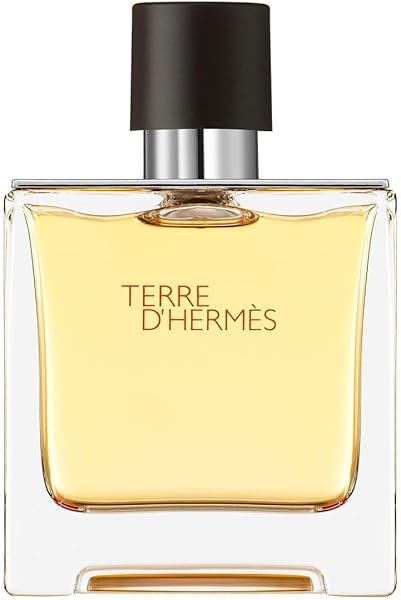
Opens with a sharp, almost medicinal grapefruit bite cut through with cracked black pepper, smelling clean but austere rather than sweet. The heart settles into the signature mineral-flint dryness — a dusty, almost earthy quality that grounds the citrus without killing it. Dry-down is all smoky vetiver and cedar with benzoin adding just enough warmth to soften the edges, while patchouli lurks underneath without going dark or heavy. Projection is moderate and refined; sillage stays close after an hour. — Best worn in spring or fall by someone who wants to smell put-together without announcing themselves.
How they overlap
Eau de Merveilles and Terre d'Hermès share exactly one note (cedar). The overlap is real but narrow — most of the wear experience will diverge.
The buying decision
Terre d'Hermès is the cheaper original at $130 compared to $165 for Eau de Merveilles — about 21% less. Eau de Merveilles is built for fall/winter; Terre d'Hermès for spring/summer/fall. Pick by when you'd actually wear it. Heads up: Eau de Merveilles is marketed feminine, Terre d'Hermès is marketed masculine — they target different wearers, though plenty of buyers cross those lines.