Eau de Merveilles vs Twilly d'Hermès
Side by side. Scored honestly.
← Compare different fragrances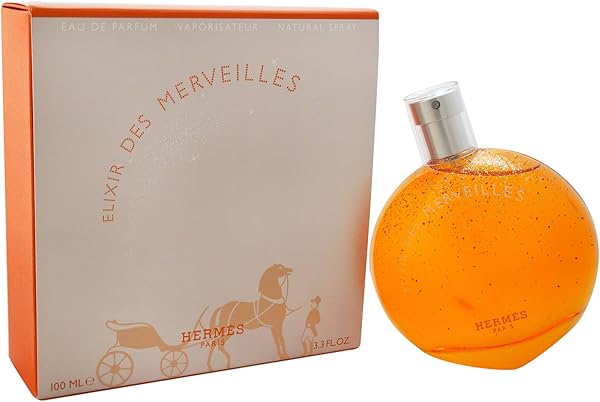
No shared notes — these two land in very different territory.
Side by side
Comparing the originals — price, breadth, listed-note depth.
Pink pepper and orange zest open bright and slightly fizzy, but they don't linger — within an hour, the heart settles into a dry, mineral ambergris that reads more oceanic salt than sweet. Cedar and oakmoss anchor the dry-down in cool, earthy wood without going dark or heavy. Projection is moderate and polished; sillage stays close to skin by midday, leaving a clean mineral trail that's subtle but distinctive. Unisex in practice despite its positioning — — Fall and winter wear for anyone who wants something understated but genuinely interesting.
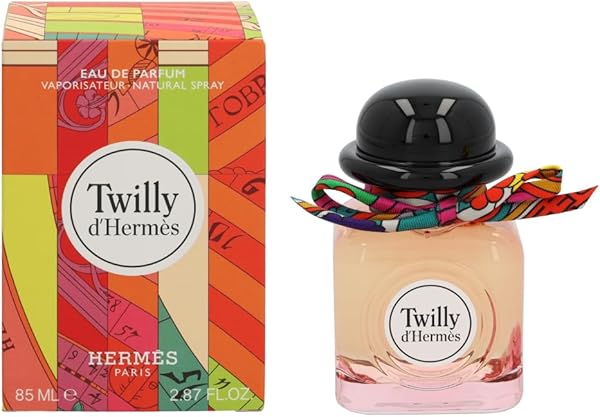
Bright ginger and bergamot snap open with some genuine bite before the bitter orange softens the edge within minutes. The heart blooms into tuberose and orange blossom, creamy but not heavy — jasmine keeps it from going full bridal. Sandalwood and vanilla ease into the dry-down, adding warmth without tipping into gourmand territory. Projection is modest and close-sitting; sillage is light but persistent, leaving a clean floral-woody trail for hours — best worn in warmer months when skin heat does the amplifying work for you.
How they overlap
Eau de Merveilles and Twilly d'Hermès share no notes in common — these two fragrances target very different olfactory territory, and the comparison is a question of which direction you want to go rather than which version of the same accord.
The buying decision
Twilly d'Hermès is the cheaper original at $155 compared to $165 for Eau de Merveilles — about 6% less. Eau de Merveilles is built for fall/winter; Twilly d'Hermès for spring/summer/fall. Pick by when you'd actually wear it.
Recommendation
These two land in genuinely different scent territory — there's no "better" answer, just which direction you want to go. Read the scent descriptions above and pick the one that sounds like you'd want to smell.