Equipage vs Terre d'Hermès
Side by side. Scored honestly.
← Compare different fragrances
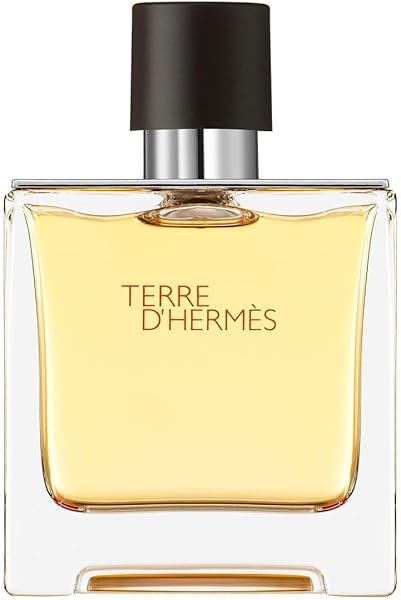
Side by side
Comparing the originals — price, breadth, listed-note depth.
Opens with a sharp, almost medicinal burst of lavender and rosemary — clean but austere, with cloves adding a dry, slightly bitter warmth underneath. The heart settles into cedar and leather, the combination giving it a structured, boardroom-serious backbone. Vetiver and oakmoss anchor the dry-down into something cool and earthy, with moderate sillage that commands notice without shouting. It wears close to skin by late hours, leaving a faintly smoky, mossy trail — a fall and winter fragrance built for men who don't need a crowd's attention to feel confident.
Opens with a sharp, almost medicinal grapefruit bite cut through with cracked black pepper, smelling clean but austere rather than sweet. The heart settles into the signature mineral-flint dryness — a dusty, almost earthy quality that grounds the citrus without killing it. Dry-down is all smoky vetiver and cedar with benzoin adding just enough warmth to soften the edges, while patchouli lurks underneath without going dark or heavy. Projection is moderate and refined; sillage stays close after an hour. — Best worn in spring or fall by someone who wants to smell put-together without announcing themselves.
How they overlap
Equipage and Terre d'Hermès share 2 notes (vetiver, cedar). The same note name doesn't always mean the same scent — different houses use different vanillas, different woods, different musks — but a multi-note shared spine usually does indicate genuinely-comparable wear character. The remaining notes (5 unique to Equipage, 6 unique to Terre d'Hermès) are where the divergence happens.
The buying decision
Original-bottle pricing is essentially identical ($130 vs $130), so the choice rarely comes down to upfront cost. Equipage is built for fall/winter; Terre d'Hermès for spring/summer/fall. Pick by when you'd actually wear it.