Un Jardin sur le Nil vs Terre d'Hermès Parfum
Side by side. Scored honestly.
← Compare different fragrances
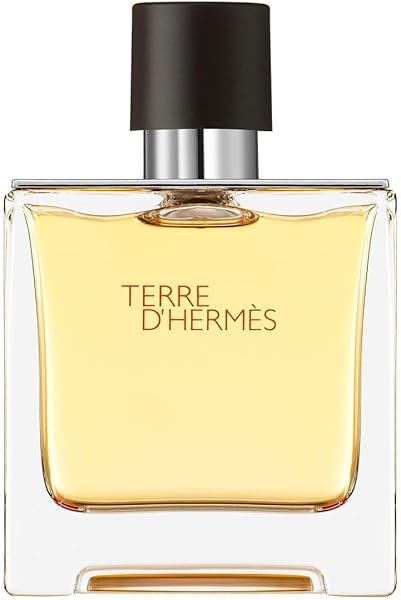
No shared notes — these two land in very different territory.
Side by side
Comparing the originals — price, breadth, listed-note depth.
Opens with a sharp, green-watery burst of unripe mango and grapefruit that smells genuinely of the fruit's skin rather than its sweetness — slightly bitter, vegetal, and clean. The heart softens into lotus and peony, keeping the floral presence pale and aquatic rather than powdery. A quiet thread of incense in the dry-down adds faint warmth without going resinous, grounded by understated woody notes. Projection stays close to skin; sillage is minimal and intentional. — Light, unpretentious, and best worn in warm weather by anyone who finds most florals too loud.
Opens with a sharp, sun-bleached orange cut through by a distinctive flint-and-mineral accord that smells genuinely like struck rock — dry, almost metallic, utterly distinctive. The heart settles into cedar that reads more architectural than woody, with the mineral thread persisting throughout. The dry-down brings vetiver and leather into a quiet, earthy base anchored by ambroxan's skin-close warmth. Projection is confident without being loud; sillage is refined rather than expansive, lasting well into evening — Autumn and winter, for men who want presence without performance.
How they overlap
Un Jardin sur le Nil and Terre d'Hermès Parfum share no notes in common — these two fragrances target very different olfactory territory, and the comparison is a question of which direction you want to go rather than which version of the same accord.
The buying decision
Un Jardin sur le Nil is the cheaper original at $175 compared to $310 for Terre d'Hermès Parfum — about 44% less.
Recommendation
If you're price-sensitive, Un Jardin sur le Nil delivers comparable territory at $135 less than Terre d'Hermès Parfum. If you want the specific character of Terre d'Hermès Parfum — the prose above is the better guide than the price — the premium is what you're paying for.