Hugo Man vs Bottled
Side by side. Scored honestly.
← Compare different fragrances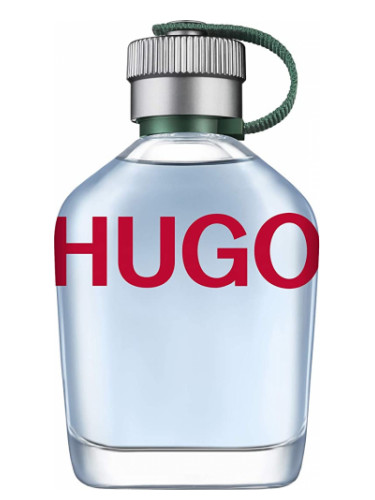

Side by side
Comparing the originals — price, breadth, listed-note depth.
Opens with a sharp, slightly synthetic apple cut through by juniper and spearmint — green, fizzy, and unmistakably '90s masculine. The heart settles into aromatic pine and lavender, giving it a clean, almost barbershop edge that keeps things grounded without going stale. The dry-down is quiet oakmoss and white cedar with a whisper of sandalwood, projecting at moderate range with light-to-medium sillage that fades gracefully. Nothing brooding or heavy here — just crisp, outdoorsy freshness — Best worn casually in spring and summer by someone who wants to smell clean and effortlessly put-together without overthinking it.
Opens with a crisp, slightly tart apple that almost immediately gets warmed by cinnamon and cloves — dry spice rather than bakery sweetness. The heart settles into a clean geranium-and-spice accord that keeps things grounded and masculine. Dry-down is where it earns its reputation: sandalwood and vetiver form a smooth, lightly earthy base, with vanilla adding just enough warmth to soften the wood without turning gourmand. Projection is moderate, sillage polished and close — a well-behaved office fragrance, not a room-filler — best worn in fall and winter by someone who wants a reliable, inoffensive crowd-pleaser for work or casual evening outings.
How they overlap
Hugo Man and Bottled share 2 notes (apple, sandalwood). The same note name doesn't always mean the same scent — different houses use different vanillas, different woods, different musks — but a multi-note shared spine usually does indicate genuinely-comparable wear character. The remaining notes (6 unique to Hugo Man, 5 unique to Bottled) are where the divergence happens.
The buying decision
Bottled is the cheaper original at $75 compared to $85 for Hugo Man — about 12% less. Hugo Man is built for spring/summer/fall; Bottled for spring/fall/winter. Pick by when you'd actually wear it.