Lalibela vs Italian Leather
Side by side. Scored honestly.
← Compare different fragrances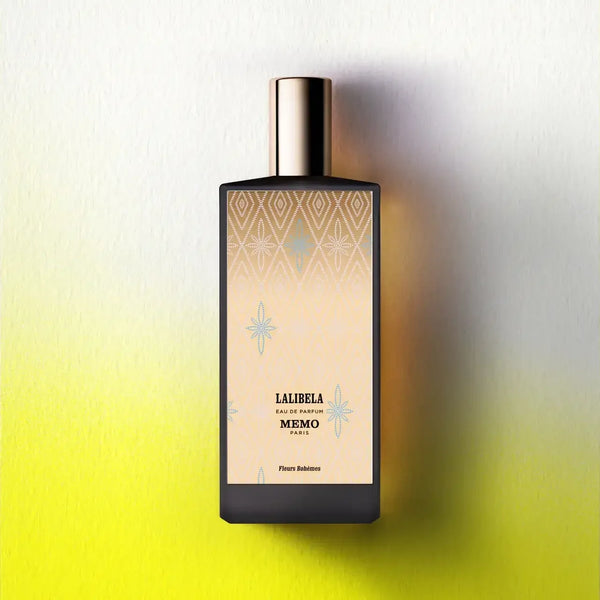

Side by side
Comparing the originals — price, breadth, listed-note depth.
Cold incense and myrrh open things with an almost austere smokiness — church-dark and resinous, closer to burnt wood than sweetness. As it settles, labdanum and benzoin pull it warmer, adding a honeyed, slightly animalic depth without tipping into gourmand territory. Leather stays understated throughout, grounding the smoke rather than announcing itself. Patchouli anchors the dry-down with an earthy richness that lingers quietly for hours. Projection is moderate and intimate; sillage is a slow, smoldering trail — made for cold-weather evenings and anyone drawn to sacred, contemplative darkness.
Opens with a sharp, citrusy lemon that cuts cleanly before the leather moves in — not a smoky or animalic leather, but a dry, almost papery Italian variety that reads more refined than raw. Iris bridges the two halves, adding a cool, slightly powdery softness that keeps the leather from feeling austere. Cedar and vetiver anchor the dry-down into a woody, earthy base with moderate projection and quiet, close-wearing sillage that lingers without announcing itself — best suited to cooler months and anyone who wants structure without aggression.
How they overlap
Lalibela and Italian Leather share no notes in common — these two fragrances target very different olfactory territory, and the comparison is a question of which direction you want to go rather than which version of the same accord.
The buying decision
Original-bottle pricing is essentially identical ($295 vs $295), so the choice rarely comes down to upfront cost. Italian Leather covers 3 seasons (spring, fall, winter) — wider weather range than Lalibela, which leans fall/winter-only.
Recommendation
These two land in genuinely different scent territory — there's no "better" answer, just which direction you want to go. Read the scent descriptions above and pick the one that sounds like you'd want to smell.