Cologne vs Angel Elixir
Side by side. Scored honestly.
← Compare different fragrances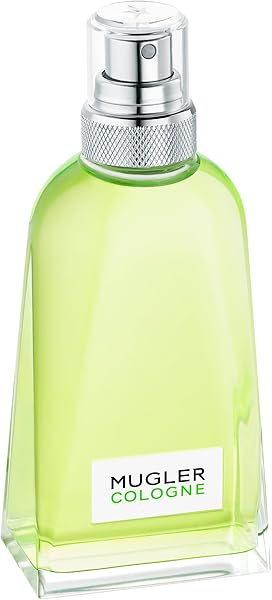

Side by side
Comparing the originals — price, breadth, listed-note depth.
Opens with a bright, almost edible burst of bergamot and grapefruit that settles quickly into a soft neroli and orange blossom heart — floral but never powdery, more like warm skin near a citrus grove than a perfume counter. The cedar and vetiver ground it without ever turning woody or sharp. Projection stays close from the start; this is a skin-scent by design, not a broadcaster. The dry-down is clean white musk with a whisper of petitgrain keeping it from going soapy — genuinely intimate and warm. — Best in spring and summer heat, worn close for casual days or situations where smelling quietly, effortlessly clean is the entire point.
Bergamot and red berries crack open bright and slightly tart before the sweetness takes over fast — this moves quickly into a dense floral-gourmand heart where jasmine and rose read more as warm texture than distinct flowers, threaded through with caramel and vanilla that skew rich but not cloying. The dry-down leans into patchouli and sandalwood, giving it a dark, resinous base that anchors the sweetness without going earthy. Projection is bold for the first few hours, then settles into a close, enveloping sillage — built for cold weather and evenings out, best on someone who wants their fragrance felt before they arrive.
How they overlap
Cologne and Angel Elixir share exactly one note (bergamot). The overlap is real but narrow — most of the wear experience will diverge.
The buying decision
Original-bottle pricing is essentially identical ($130 vs $130), so the choice rarely comes down to upfront cost. Cologne is built for spring/summer; Angel Elixir for fall/winter. Pick by when you'd actually wear it.