Invictus vs Pegasus EDP
Side by side. Scored honestly.
← Compare different fragrances
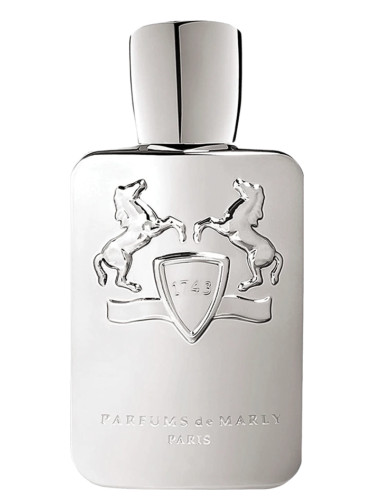
No shared notes — these two land in very different territory.
Side by side
Comparing the originals — price, breadth, listed-note depth.
Opens with a sharp, slightly bitter grapefruit that softens quickly against a cool sea salt accord — aquatic without being marine-cliché. The bay leaf adds a faint herbal edge in the heart, keeping it from going purely sporty. Dry-down is where it earns its reputation: guaiac wood and ambergris settle into a clean, skin-warm base with just enough patchouli to add body. Projection is confident but not aggressive; sillage lingers pleasantly without demanding attention — Best in warmer months, ideal for daytime social settings, workouts, or casual dates.
Bergamot opens things up cleanly before stepping aside almost immediately, letting heliotrope and almond take center stage in the heart — a powdery, almost confectionery pairing that reads warm and skin-close rather than sharp. Jasmine adds quiet floral depth without going feminine. The dry-down settles into sandalwood and vanilla, soft and creamy with moderate sillage that stays within a few feet. Projection is polite, longevity solid at six-plus hours. — Best in cold weather on someone who wants a crowd-pleasing, wearable signature that leans sweet without going full dessert.
How they overlap
Invictus and Pegasus EDP share no notes in common — these two fragrances target very different olfactory territory, and the comparison is a question of which direction you want to go rather than which version of the same accord.
The buying decision
Invictus is the cheaper original at $130 compared to $290 for Pegasus EDP — about 55% less. Invictus is built for spring/summer/fall; Pegasus EDP for fall/winter. Pick by when you'd actually wear it.
Recommendation
If you're price-sensitive, Invictus delivers comparable territory at $160 less than Pegasus EDP. If you want the specific character of Pegasus EDP — the prose above is the better guide than the price — the premium is what you're paying for.