Nisean vs Layton
Side by side. Scored honestly.
← Compare different fragrances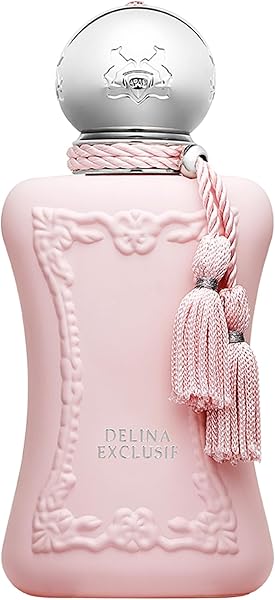
Side by side
Comparing the originals — price, breadth, listed-note depth.
Bergamot and cardamom open with bright, slightly medicinal spice before rum pulls everything into darker, sweeter territory within the first twenty minutes. The heart is where it earns its price — tobacco and leather arrive smoky but polished, never harsh, anchored by sandalwood that keeps things warm rather than dry. The dry-down is a long, quiet vanilla haze with leather still detectable underneath. Projection is moderate, sillage intimate; this wears close and lasts several hours without broadcasting. — Best for cold evenings, formal dinners, or anyone who wants a grown-up take on tobacco-leather without veering into cowboy territory.
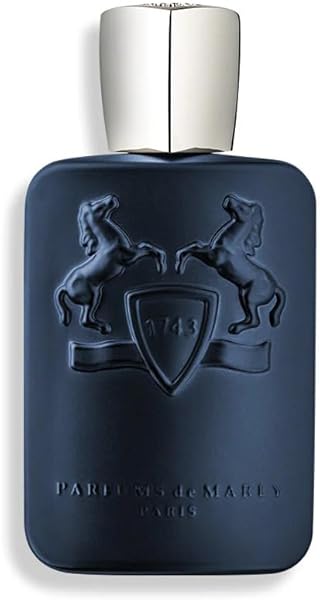
Opens with a bright bergamot-apple accord that's crisp without being candied, then softens quickly as geranium and jasmine push it into a clean floral heart with real warmth. The dry-down is where it earns its reputation — vanilla and sandalwood settle into a creamy, slightly sweet base that projects confidently for hours without going loud. Sillage is generous but controlled, leaving a smooth gourmand-woody trail that reads polished rather than heavy — a year-round crowd-pleaser best suited to dates, offices, or anywhere a well-composed masculine makes an impression.
How they overlap
Nisean and Layton share 3 notes (bergamot, vanilla, sandalwood). The same note name doesn't always mean the same scent — different houses use different vanillas, different woods, different musks — but a multi-note shared spine usually does indicate genuinely-comparable wear character. The remaining notes (4 unique to Nisean, 3 unique to Layton) are where the divergence happens.
The buying decision
Layton is the cheaper original at $295 compared to $335 for Nisean — about 12% less. Layton covers 4 seasons (spring, summer, fall, winter) — wider weather range than Nisean, which leans fall/winter-only.