Nisean vs Pegasus EDP
Side by side. Scored honestly.
← Compare different fragrances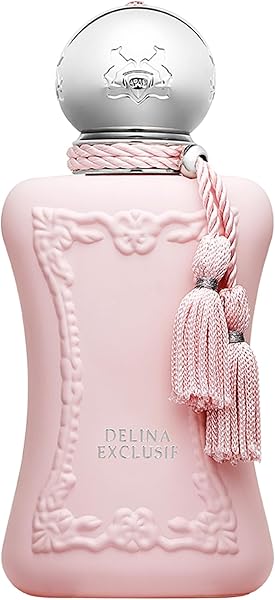
Side by side
Comparing the originals — price, breadth, listed-note depth.
Bergamot and cardamom open with bright, slightly medicinal spice before rum pulls everything into darker, sweeter territory within the first twenty minutes. The heart is where it earns its price — tobacco and leather arrive smoky but polished, never harsh, anchored by sandalwood that keeps things warm rather than dry. The dry-down is a long, quiet vanilla haze with leather still detectable underneath. Projection is moderate, sillage intimate; this wears close and lasts several hours without broadcasting. — Best for cold evenings, formal dinners, or anyone who wants a grown-up take on tobacco-leather without veering into cowboy territory.
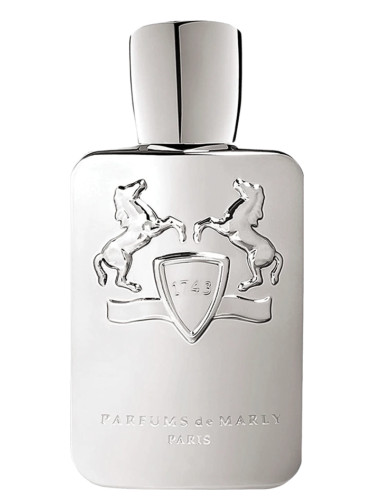
Bergamot opens things up cleanly before stepping aside almost immediately, letting heliotrope and almond take center stage in the heart — a powdery, almost confectionery pairing that reads warm and skin-close rather than sharp. Jasmine adds quiet floral depth without going feminine. The dry-down settles into sandalwood and vanilla, soft and creamy with moderate sillage that stays within a few feet. Projection is polite, longevity solid at six-plus hours. — Best in cold weather on someone who wants a crowd-pleasing, wearable signature that leans sweet without going full dessert.
How they overlap
Nisean and Pegasus EDP share 3 notes (bergamot, sandalwood, vanilla). The same note name doesn't always mean the same scent — different houses use different vanillas, different woods, different musks — but a multi-note shared spine usually does indicate genuinely-comparable wear character. The remaining notes (4 unique to Nisean, 3 unique to Pegasus EDP) are where the divergence happens.
The buying decision
Pegasus EDP is the cheaper original at $265 compared to $335 for Nisean — about 21% less. Both wear best across the same fall/winter — they're interchangeable on weather fit.