Lothair vs The Tragedy of Lord George
Side by side. Scored honestly.
← Compare different fragrances
Side by side
Comparing the originals — price, breadth, listed-note depth.
Opens with a sharp, citric grapefruit cut through by cracked black pepper — bright but not sweet, with an almost austere quality from the first spray. The heart settles into cold, dry leather that reads more like worn saddle than polished hide, underscored by cedar keeping things angular. The dry-down is where it earns its keep: vetiver and oakmoss build a dense, slightly damp earthiness that lingers close to the skin with modest sillage. Projection is restrained but tenacious — this wears like something private and deliberate — A cold-weather fragrance for someone who wants structure over warmth.
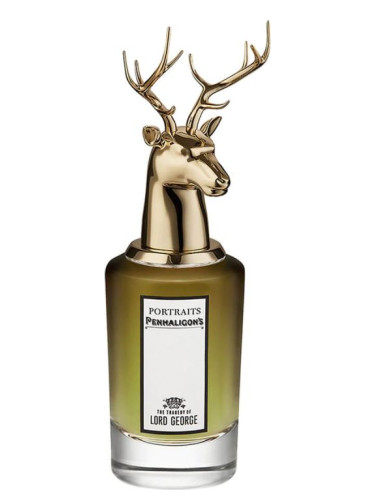
Opens with a boozy, slightly sharp rum that softens quickly into a rich, nutty heart — hazelnut and tonka bean layered over sweet vanilla, with tobacco adding dry smokiness that keeps the sweetness grounded. Sage cuts through just enough to prevent it from tipping into dessert territory. The dry-down is warm leather and vanilla lingering close to the skin, intimate rather than loud. Projection is moderate; sillage is a comfortable personal cloud. Complexity is the differentiator here — the notes genuinely interact rather than stack flatly — Best worn on cold evenings by someone who wants to smell expensive without announcing it from across the room.
How they overlap
Lothair and The Tragedy of Lord George share exactly one note (leather). The overlap is real but narrow — most of the wear experience will diverge.
The buying decision
Lothair is the cheaper original at $195 compared to $265 for The Tragedy of Lord George — about 26% less. Both wear best across the same fall/winter — they're interchangeable on weather fit. They sit in different families — Lothair is woody+fresh, The Tragedy of Lord George is gourmand+oriental. Comparison is more about preference than tradeoff.