Bitter Peach vs Sauvage EDP
Side by side. Scored honestly.
← Compare different fragrances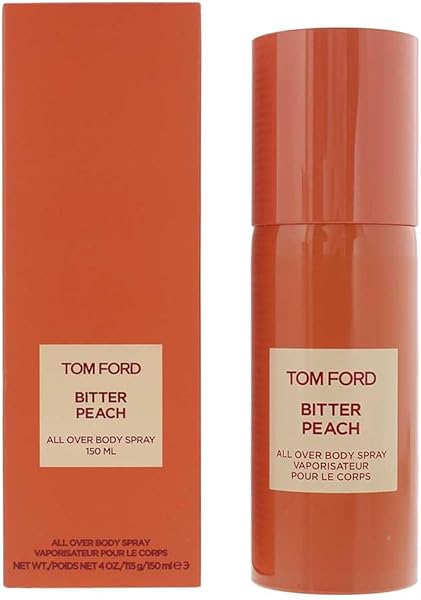
Side by side
Comparing the originals — price, breadth, listed-note depth.
Ripe, almost bruised peach opens with a boozy edge — rum and cognac push the fruit into fermented territory before blood orange sharpens things up. Cardamom and davana add a slightly medicinal, herbal twist through the heart, keeping heliotrope and jasmine from reading as floral. The dry-down is where it earns its reputation: deep vanilla, tonka, and benzoin layer over sandalwood and patchouli into something warm, resinous, and skin-close. Sillage is generous but not aggressive; projection softens after two hours into a luxurious, boozy-sweet trail — best worn in cold weather by anyone who wants a dessert fragrance with genuine edge.
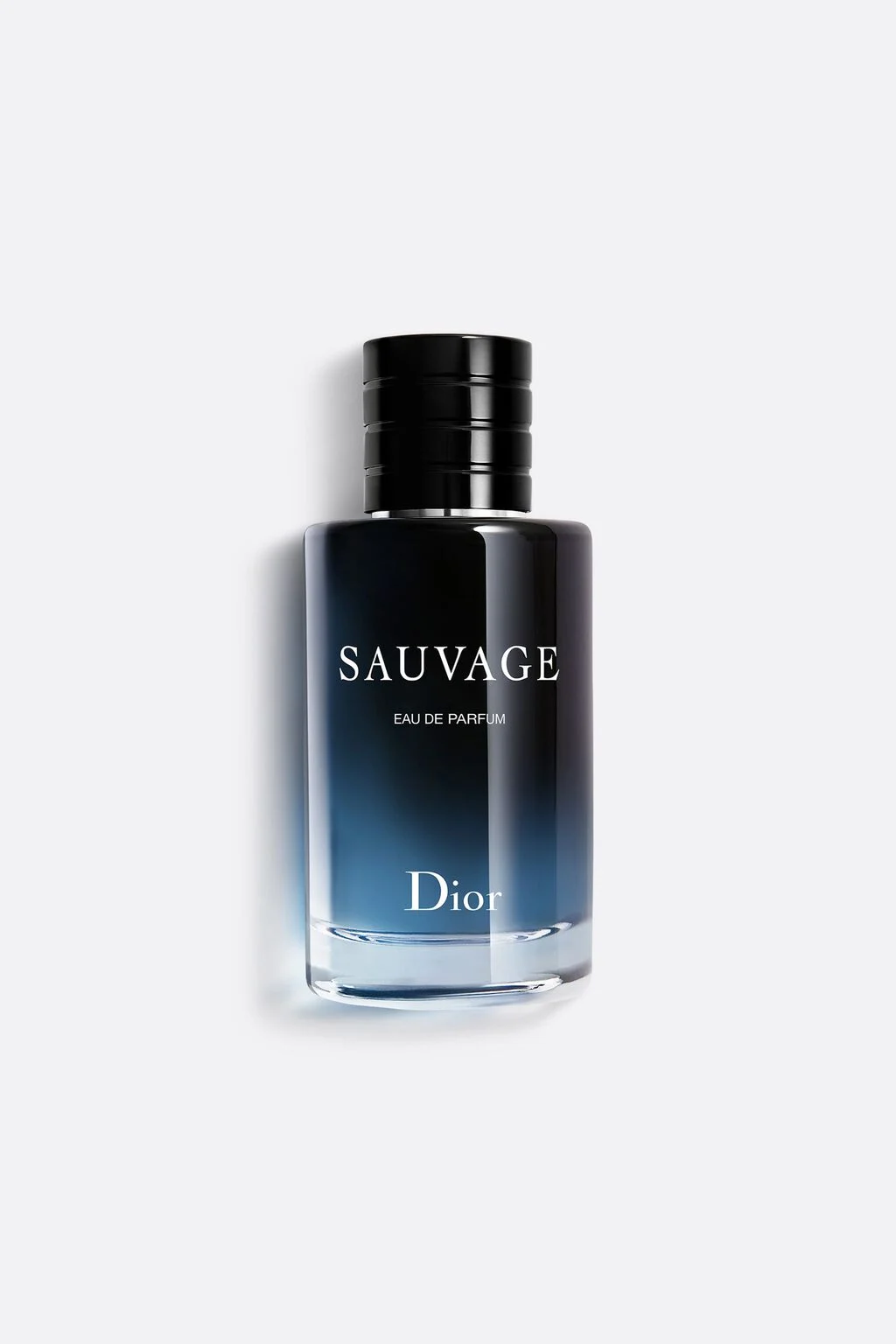
Opens with a sharp bergamot-and-pink-pepper blast that has a near-electric quality — clean but with real bite. The lavender arrives quickly in the heart, smoother than expected, softening the pepper without dulling it. Sichuan pepper keeps a faint tingle alive through the mid-stage. The dry-down is where it earns its reputation: amberwood and vanilla pull it into warm, skin-close territory, projection tightening from loud to a confident personal cloud. Sillage trails long and distinctively. — Cool-weather daily wear for someone who wants presence without effort.
How they overlap
Bitter Peach and Sauvage EDP share exactly one note (vanilla). The overlap is real but narrow — most of the wear experience will diverge.
The buying decision
Sauvage EDP is the cheaper original at $155 compared to $395 for Bitter Peach — about 61% less. Sauvage EDP covers 3 seasons (spring, fall, winter) — wider weather range than Bitter Peach, which leans fall/winter-only.
Recommendation
If you're price-sensitive, Sauvage EDP delivers comparable territory at $240 less than Bitter Peach. If you want the specific character of Bitter Peach — the prose above is the better guide than the price — the premium is what you're paying for.