Bitter Peach vs Lost Cherry
Side by side. Scored honestly.
← Compare different fragrances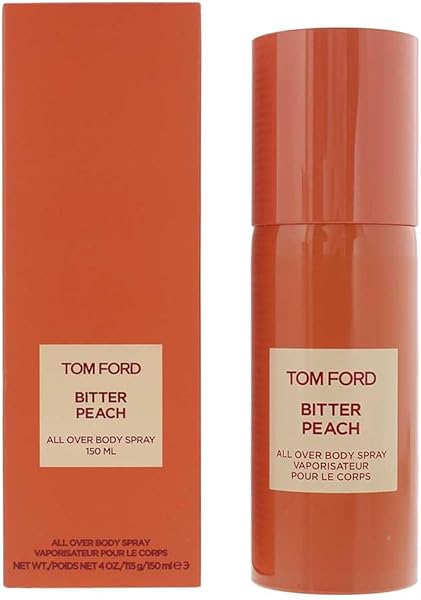

Side by side
Comparing the originals — price, breadth, listed-note depth.
Ripe, almost bruised peach opens with a boozy edge — rum and cognac push the fruit into fermented territory before blood orange sharpens things up. Cardamom and davana add a slightly medicinal, herbal twist through the heart, keeping heliotrope and jasmine from reading as floral. The dry-down is where it earns its reputation: deep vanilla, tonka, and benzoin layer over sandalwood and patchouli into something warm, resinous, and skin-close. Sillage is generous but not aggressive; projection softens after two hours into a luxurious, boozy-sweet trail — best worn in cold weather by anyone who wants a dessert fragrance with genuine edge.
Black cherry opens loud and almost boozy, the liquor note pushing the fruit into ripe, slightly fermented territory rather than candy sweetness. Bitter almond sharpens the heart, keeping it from going purely confectionary, while rose adds a fleeting floral softness that fades quickly. The dry-down is where it earns its price — tonka bean and sandalwood pull everything warm and skin-close, leaving a dense, resinous sweetness with real staying power and low-slung sillage that lingers for hours — Best in cold weather, date nights, anyone who wants gourmand without smelling like dessert.
How they overlap
Bitter Peach and Lost Cherry share 2 notes (tonka bean, sandalwood). The same note name doesn't always mean the same scent — different houses use different vanillas, different woods, different musks — but a multi-note shared spine usually does indicate genuinely-comparable wear character. The remaining notes (15 unique to Bitter Peach, 4 unique to Lost Cherry) are where the divergence happens.
The buying decision
Original-bottle pricing is essentially identical ($395 vs $395), so the choice rarely comes down to upfront cost. Both wear best across the same fall/winter — they're interchangeable on weather fit.
Free: The 30 Best-Tested Dupes Under $40
A community-scored cheat sheet you can download now — 30 designer scents matched for under $40, ranked by accuracy and longevity.