Grey Vetiver vs Lost Cherry
Side by side. Scored honestly.
← Compare different fragrances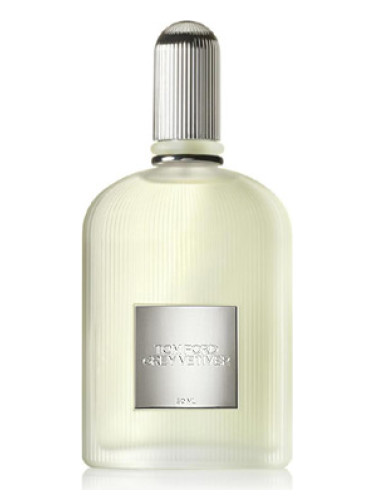

No shared notes — these two land in very different territory.
Side by side
Comparing the originals — price, breadth, listed-note depth.
Opens with a sharp, slightly bitter grapefruit that burns off quickly, making way for cardamom adding a dry, faintly spiced warmth. The heart is where vetiver takes command — cool, smoky, and earthy without going dirty — anchored by cedarwood that keeps everything structured and upright. Oakmoss in the dry-down adds a subtle green, almost powdery depth. Projection is moderate and well-behaved; sillage stays close rather than announcing itself. A clean, composed masculine that wears like a second skin by hour three — ideal for office environments and transitional-weather days when you want presence without performance.
Black cherry opens loud and almost boozy, the liquor note pushing the fruit into ripe, slightly fermented territory rather than candy sweetness. Bitter almond sharpens the heart, keeping it from going purely confectionary, while rose adds a fleeting floral softness that fades quickly. The dry-down is where it earns its price — tonka bean and sandalwood pull everything warm and skin-close, leaving a dense, resinous sweetness with real staying power and low-slung sillage that lingers for hours — Best in cold weather, date nights, anyone who wants gourmand without smelling like dessert.
How they overlap
Grey Vetiver and Lost Cherry share no notes in common — these two fragrances target very different olfactory territory, and the comparison is a question of which direction you want to go rather than which version of the same accord.
The buying decision
Grey Vetiver is the cheaper original at $325 compared to $395 for Lost Cherry — about 18% less. Grey Vetiver is built for spring/summer/fall; Lost Cherry for fall/winter. Pick by when you'd actually wear it. They sit in different families — Grey Vetiver is fresh+woody, Lost Cherry is gourmand+oriental+floral. Comparison is more about preference than tradeoff.
Recommendation
These two land in genuinely different scent territory — there's no "better" answer, just which direction you want to go. Read the scent descriptions above and pick the one that sounds like you'd want to smell.
Free: The 30 Best-Tested Dupes Under $40
A community-scored cheat sheet you can download now — 30 designer scents matched for under $40, ranked by accuracy and longevity.