Black Opium vs Libre EDP
Side by side. Scored honestly.
← Compare different fragrances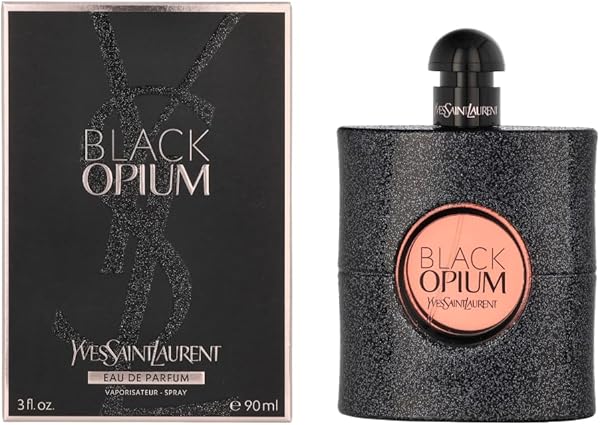

Side by side
Comparing the originals — price, breadth, listed-note depth.
Opens with a sharp snap of pink pepper before coffee rushes in and dominates the heart alongside jasmine and orange blossom — not a clean floral coffee but something roasted and slightly dark. Projection is bold for the first few hours, with heavy sillage that announces itself in a room. The dry-down softens considerably as vanilla takes over, with patchouli grounding it just enough to avoid pure sweetness. Warm, enveloping, and unsubtle — best worn on cool evenings by anyone who wants to be noticed before they walk in.
Lavender and mandarin open together with more confidence than either note usually carries alone — the citrus sharpens the lavender rather than sweetening it, giving the opening an almost androgynous edge. Orange blossom and jasmine move in quickly at the heart, creamy and warm without turning soapy. The dry-down is where it earns its reputation: vanilla and amberwood pull everything into a smooth, slightly smoky base with real staying power and a sillage that fills a room without announcing itself aggressively — MD — Three-season wear for someone who wants florals with a spine rather than a bouquet.
How they overlap
Black Opium and Libre EDP share 3 notes (orange blossom, jasmine, vanilla). The same note name doesn't always mean the same scent — different houses use different vanillas, different woods, different musks — but a multi-note shared spine usually does indicate genuinely-comparable wear character. The remaining notes (3 unique to Black Opium, 3 unique to Libre EDP) are where the divergence happens.
The buying decision
Black Opium is the cheaper original at $135 compared to $145 for Libre EDP — about 7% less. Black Opium is built for fall/winter; Libre EDP for spring/summer/fall. Pick by when you'd actually wear it.
Free: The 30 Best-Tested Dupes Under $40
A community-scored cheat sheet you can download now — 30 designer scents matched for under $40, ranked by accuracy and longevity.