The Scent File Pick for Y EDP
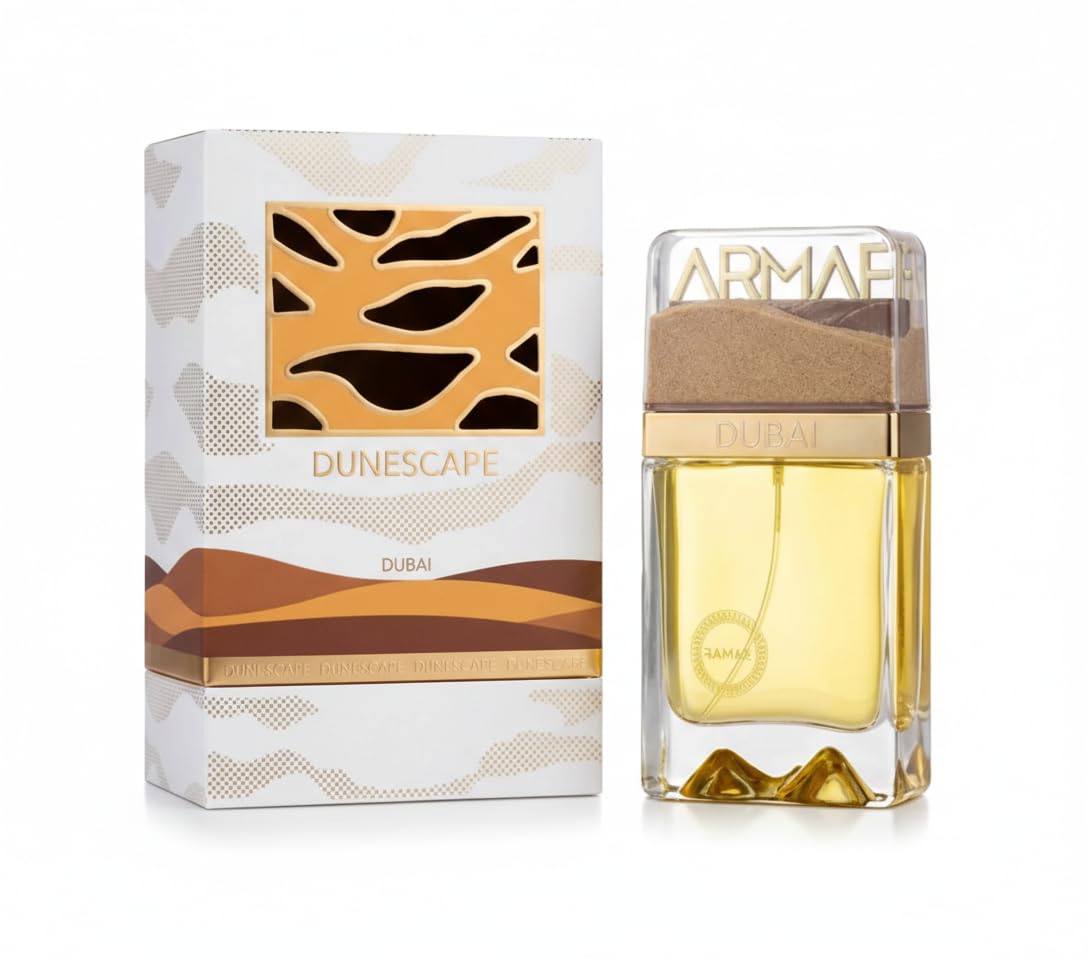
Armaf
Dunescape
$35–$40
You keep $95 · up to 73%
Accuracy8
Longevity7
Side by side. Scored honestly.
← Compare different fragrances
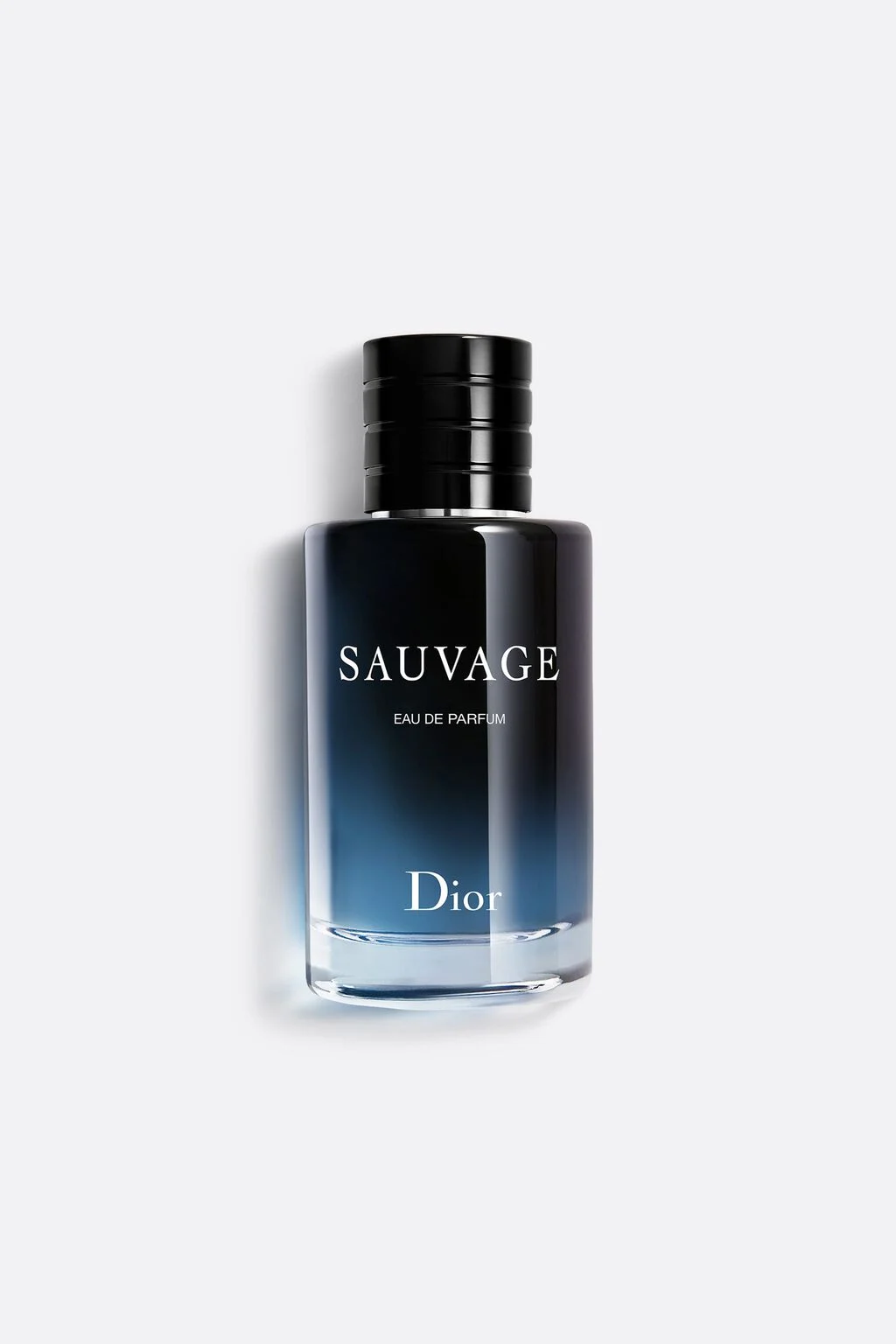
Comparing the originals — price, breadth, listed-note depth.
Bergamot hits first — bright, slightly tart, gone within minutes. The heart is where it earns its reputation: sage and geranium lock into the amberwood base early, creating a clean-but-substantial green-woody accord that smells polished without being stiff. Ginger adds a faint sharpness that keeps it from going sweet. Cedar grounds the dry-down into something dry and skin-close. Projection is moderate, sillage stays tasteful — present without announcing itself across the room. — A reliable everyday wear for spring and fall, built for the office or a first date.
Opens with a sharp bergamot-and-pink-pepper blast that has a near-electric quality — clean but with real bite. The lavender arrives quickly in the heart, smoother than expected, softening the pepper without dulling it. Sichuan pepper keeps a faint tingle alive through the mid-stage. The dry-down is where it earns its reputation: amberwood and vanilla pull it into warm, skin-close territory, projection tightening from loud to a confident personal cloud. Sillage trails long and distinctively. — Cool-weather daily wear for someone who wants presence without effort.
Y EDP and Sauvage EDP share 2 notes (bergamot, amberwood). The same note name doesn't always mean the same scent — different houses use different vanillas, different woods, different musks — but a multi-note shared spine usually does indicate genuinely-comparable wear character. The remaining notes (4 unique to Y EDP, 4 unique to Sauvage EDP) are where the divergence happens.
Y EDP is the cheaper original at $130 compared to $173 for Sauvage EDP — about 25% less. Sauvage EDP covers 3 seasons (spring, fall, winter) — wider weather range than Y EDP, which leans spring/fall-only.
The match each fragrance’s own page ranks first, with its own price and scores.

A community-scored cheat sheet you can download now — 30 designer scents matched for under $40, ranked by accuracy and longevity.