Colonia vs Profumo
Side by side. Scored honestly.
← Compare different fragrances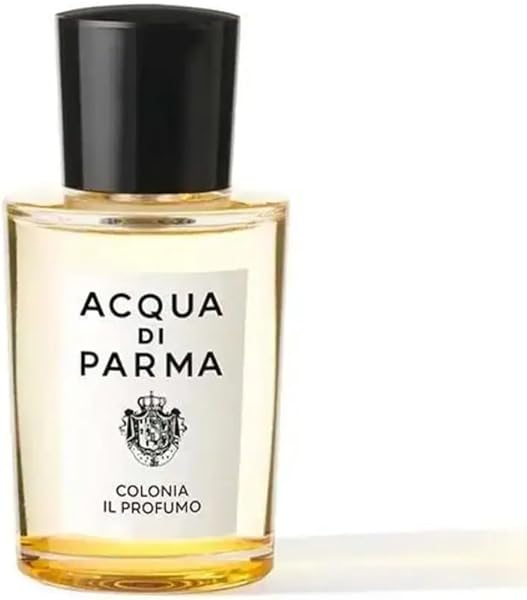
Side by side
Comparing the originals — price, breadth, listed-note depth.
Bright calabrian bergamot opens clean and slightly tart, lifted by a herbal charge of rosemary and lavender that keeps the opening from reading as sweet. The heart settles into something quietly floral — bulgarian rose adding softness without powder or cloying sweetness. The dry-down is understated: sandalwood provides a pale, warm base while vetiver keeps it grounded and faintly earthy. Projection stays close to skin throughout; sillage is polite rather than commanding. A slow, dignified fade — ideal for warm-weather days when something refined and effortless is the point.
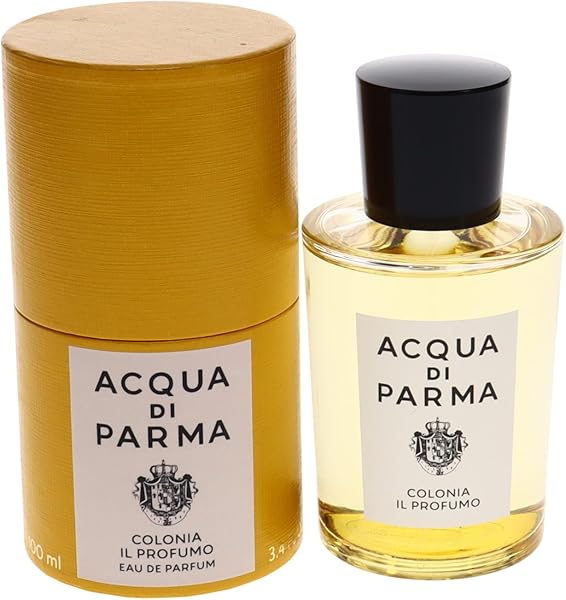
Bergamot and Sicilian lemon open with a clean citrus brightness that lasts longer than most — no immediate collapse into sweetness. The heart is where it earns its price: iris emerges cool and powdery, grounded by patchouli that reads earthy rather than heavy. The dry-down is unhurried, settling into warm sandalwood and soft musk with restrained sillage that stays close to skin. Projection is moderate, never loud. It wears with quiet confidence — fall and winter evenings, dressed-up occasions, people who want refinement without announcement.
How they overlap
Colonia and Profumo share exactly one note (sandalwood). The overlap is real but narrow — most of the wear experience will diverge.
The buying decision
Colonia is the cheaper original at $165 compared to $290 for Profumo — about 43% less. Colonia is built for spring/summer; Profumo for fall/winter. Pick by when you'd actually wear it.
Recommendation
If you're price-sensitive, Colonia delivers comparable territory at $125 less than Profumo. If you want the specific character of Profumo — the prose above is the better guide than the price — the premium is what you're paying for.