R.E.M. vs Cloud EDP
Side by side. Scored honestly.
← Compare different fragrances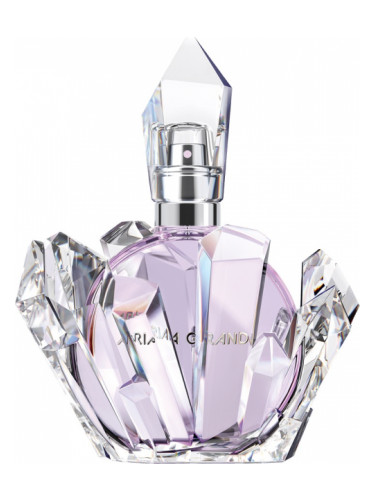

Side by side
Comparing the originals — price, breadth, listed-note depth.
Opens with a sugary-tart punch of salted caramel and black currant that smells more candy-shop than sophisticated, but settles quickly into something warmer and more interesting — fig and pear softening the sweetness while violet adds a faint powdery edge. The dry-down leans into tonka bean and sandalwood, turning cozy and skin-close, with musk holding everything together at low-moderate sillage. Projection is gentle rather than bold; it wears like a second skin after an hour — best for cold-weather evenings, cozy indoor settings, or anyone who gravitates toward sweet-warm femininity without going full dessert.
Opens with a soft lavender-pear combo that reads more airy than floral — clean and slightly fruity without going sharp. The heart is where it gets interesting: coconut and praline merge into a warm, almost edible sweetness that stops just short of cloying. The dry-down settles into a musky, lightly woody base that anchors the sweetness and gives it some staying power. Projection is moderate, sillage polite rather than loud — a skin-close comfort scent that lingers without announcing itself — Everyday casual wear, spring through fall, best suited to those who want sweetness without full-on dessert.
How they overlap
R.E.M. and Cloud EDP share 2 notes (pear, musk). The same note name doesn't always mean the same scent — different houses use different vanillas, different woods, different musks — but a multi-note shared spine usually does indicate genuinely-comparable wear character. The remaining notes (6 unique to R.E.M., 4 unique to Cloud EDP) are where the divergence happens.
The buying decision
Cloud EDP is the cheaper original at $55 compared to $75 for R.E.M. — about 27% less. R.E.M. is built for fall/winter; Cloud EDP for spring/summer/fall. Pick by when you'd actually wear it.