Bleecker Street vs Lafayette St.
Side by side. Scored honestly.
← Compare different fragrances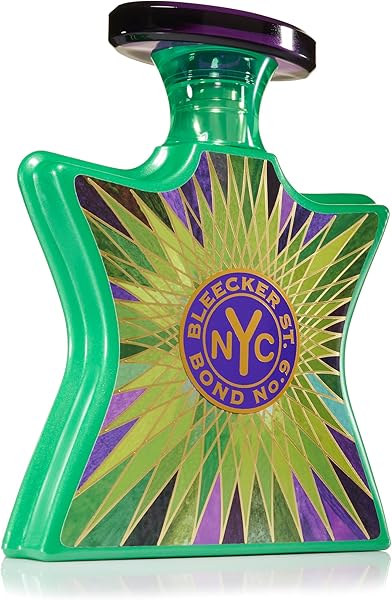

Side by side
Comparing the originals — price, breadth, listed-note depth.
Bergamot and lemon open bright and clean, almost soapy, with lavender smoothing any citrus bite within the first few minutes. The heart settles into a soft geranium-and-lavender accord that reads as freshly showered skin rather than floral. Vetiver and oakmoss keep the dry-down from going purely sweet, adding a low, slightly earthy backbone that gives the whole thing some backbone without demanding attention. Projection stays moderate — detectable but never loud — and the musk and sandalwood base lingers quietly for hours. — Warm-weather office wear or casual weekend use for anyone who wants clean and polished without complexity.
Opens with a bright, slightly tart citrus burst — bergamot and grapefruit — that feels clean without being generic, backed immediately by the green, slightly soapy edge of violet leaf. The heart settles into cool iris with just enough powderiness to read as sophisticated rather than old-fashioned, while cedar starts shaping the structure underneath. The dry-down is where vetiver and musk take over: earthy, understated, faintly smoky. Projection is moderate and sillage stays close to skin — this wears like something you'd notice on someone, not across a room — A polished daily wear for cooler months, best suited to someone who wants green-floral with woody roots and zero showiness.
How they overlap
Bleecker Street and Lafayette St. share 3 notes (bergamot, vetiver, musk). The same note name doesn't always mean the same scent — different houses use different vanillas, different woods, different musks — but a multi-note shared spine usually does indicate genuinely-comparable wear character. The remaining notes (5 unique to Bleecker Street, 4 unique to Lafayette St.) are where the divergence happens.
The buying decision
Lafayette St. is the cheaper original at $275 compared to $470 for Bleecker Street — about 41% less. Both wear best across the same spring/summer/fall — they're interchangeable on weather fit.
Recommendation
If you're price-sensitive, Lafayette St. delivers comparable territory at $195 less than Bleecker Street. If you want the specific character of Bleecker Street — the prose above is the better guide than the price — the premium is what you're paying for.
Free: The 30 Best-Tested Dupes Under $40
A community-scored cheat sheet you can download now — 30 designer scents matched for under $40, ranked by accuracy and longevity.