Man in Black vs Tygar
Side by side. Scored honestly.
← Compare different fragrances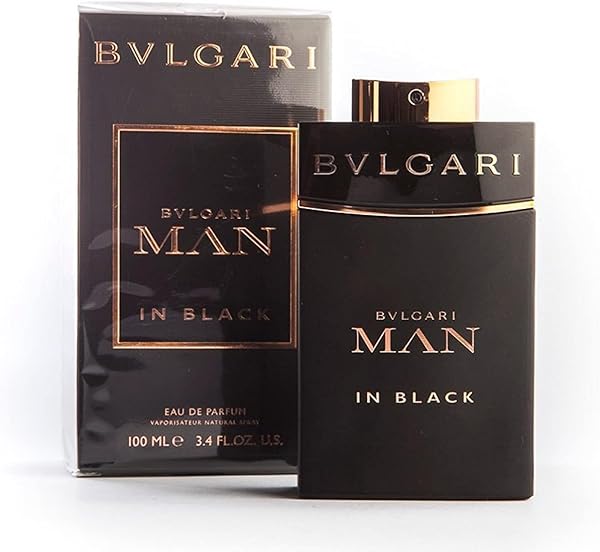
Side by side
Comparing the originals — price, breadth, listed-note depth.
Opens with a sharp, boozy rum that smells almost edible, cut almost immediately by smoky cardamom and a whisper of iris keeping it from tipping into dessert territory. The heart is where it gets interesting — tuberose adds a creamy, slightly medicinal richness that shouldn't work against leather but somehow does. The dry-down is deep and resinous: tonka, benzoin, and guaiac settle into a warm, almost syrupy base with real staying power. Projection is confident without being aggressive; sillage lingers for hours — Best worn on cold nights when you want to fill the room before you've said a word.
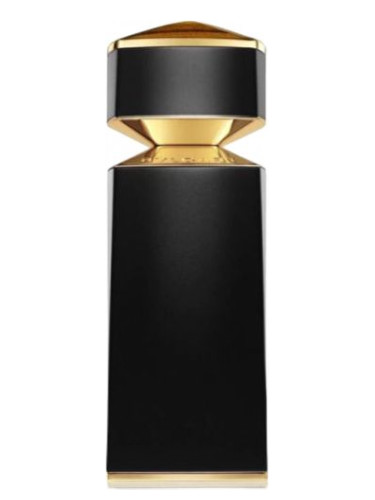
Opens with a sharp bergamot cut and a quick bite of pink pepper that fades fast — within twenty minutes the heart settles into a cool, powdery iris sitting on a warm ambroxan base that gives it that skin-like, slightly synthetic depth the note is known for. Tonka bean and musk round the dry-down into something soft and subtly creamy without tipping gourmand. Projection is moderate; sillage stays close to skin by hour two, making it a polished rather than loud wear — A versatile three-season choice for office environments or casual dates where clean and assured is the goal.
How they overlap
Man in Black and Tygar share 2 notes (iris, tonka bean). The same note name doesn't always mean the same scent — different houses use different vanillas, different woods, different musks — but a multi-note shared spine usually does indicate genuinely-comparable wear character. The remaining notes (6 unique to Man in Black, 4 unique to Tygar) are where the divergence happens.
The buying decision
Man in Black is the cheaper original at $130 compared to $135 for Tygar — about 4% less. Man in Black is built for fall/winter; Tygar for spring/summer/fall. Pick by when you'd actually wear it.
Free: The 30 Best-Tested Dupes Under $40
A community-scored cheat sheet you can download now — 30 designer scents matched for under $40, ranked by accuracy and longevity.