Rose of No Man's Land vs Gypsy Water
Side by side. Scored honestly.
← Compare different fragrances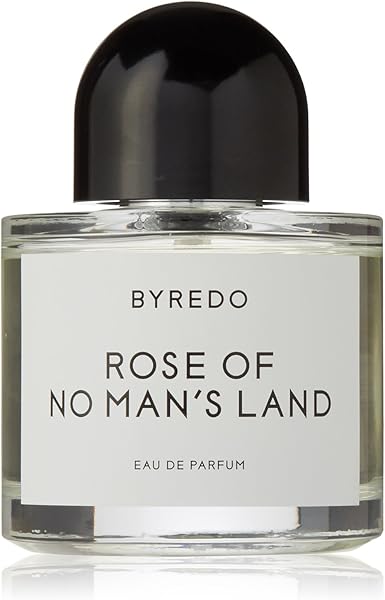
Side by side
Comparing the originals — price, breadth, listed-note depth.
Pink pepper opens with a clean, slightly medicinal snap before Turkish rose takes over — not a lush, dewy rose but a cool, almost austere one, held in tension with raspberry blossom's soft fruit edge that reads more floral than sweet. The heart stays lifted and airy rather than heavy. Papyrus pulls the dry-down toward a dry, woody quietness, while white and regular amber add just enough warmth to keep it from going cold. Projection is moderate; sillage is refined and close-wearing. — Best in spring and early fall, well-suited to someone who wants rose without sentimentality.
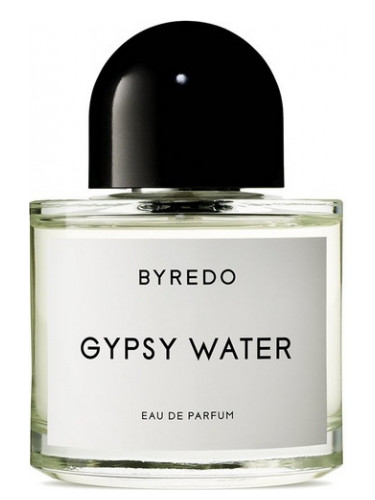
Opens with a bright citrus snap — bergamot and lemon, clean and brief — before juniper berries and pine needles pull it into cool, resinous forest territory. The heart is where it earns its reputation: incense layers in a smoky, almost ceremonial quality that keeps it from going purely green. The dry-down is soft amber and vanilla, warm but not sweet, grounding the whole thing into something skin-close and hypnotic. Moderate projection, intimate sillage, long-lasting. — Best in cool weather, layered clothing, unhurried days; suits anyone who finds most woody orientals too aggressive.
How they overlap
Rose of No Man's Land and Gypsy Water share exactly one note (amber). The overlap is real but narrow — most of the wear experience will diverge.
The buying decision
Gypsy Water is the cheaper original at $210 compared to $250 for Rose of No Man's Land — about 16% less. Rose of No Man's Land is built for spring/summer/fall; Gypsy Water for fall/winter/spring. Pick by when you'd actually wear it.
Free: The 30 Best-Tested Dupes Under $40
A community-scored cheat sheet you can download now — 30 designer scents matched for under $40, ranked by accuracy and longevity.