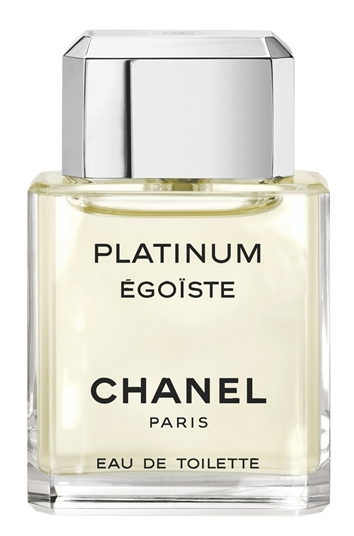
Bleu de Chanel vs Égoïste Platinum
Side by side. Scored honestly.
← Compare different fragrances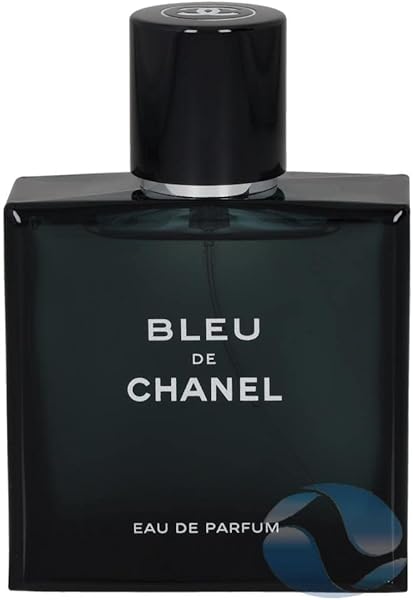
Side by side
Comparing the originals — price, breadth, listed-note depth.
Opens with a bright citrus blast quickly sharpened by pink pepper — clean and slightly spicy, never sweet. The heart settles into smooth, slightly smoky cedar with sandalwood giving it warmth and quiet depth. Ambroxan does the heavy lifting in the dry-down, pushing a skin-close, slightly salty woody musk that lingers for hours. Tonka adds a faint creaminess without tipping into gourmand territory. Projection is moderate, sillage polished and inoffensive — present without demanding attention — Perfect for office wear, first dates, or any situation where smelling reliably excellent is more important than standing out.
Opens with a clean, slightly sharp citrus that resolves quickly into the real heart: cool lavender and a dry, silvery artemisia that keeps everything from going soft. The cedar comes in firmly during the dry-down, pushing the composition toward structured woodiness rather than warmth, while sandalwood and musk hold things together without going creamy or heavy. Projection is moderate and polished — present without demanding attention. Sillage is clean, close-wearing by the later hours — A well-behaved, quietly confident woody aromatic built for professional settings and transitional weather.
How they overlap
Bleu de Chanel and Égoïste Platinum share 3 notes (citrus, cedar, sandalwood). The same note name doesn't always mean the same scent — different houses use different vanillas, different woods, different musks — but a multi-note shared spine usually does indicate genuinely-comparable wear character. The remaining notes (3 unique to Bleu de Chanel, 3 unique to Égoïste Platinum) are where the divergence happens.
The buying decision
Original-bottle pricing is essentially identical ($135 vs $135), so the choice rarely comes down to upfront cost. Both wear best across the same spring/summer/fall — they're interchangeable on weather fit.
Free: The 30 Best-Tested Dupes Under $40
A community-scored cheat sheet you can download now — 30 designer scents matched for under $40, ranked by accuracy and longevity.