Coco vs Coco Mademoiselle
Side by side. Scored honestly.
← Compare different fragrances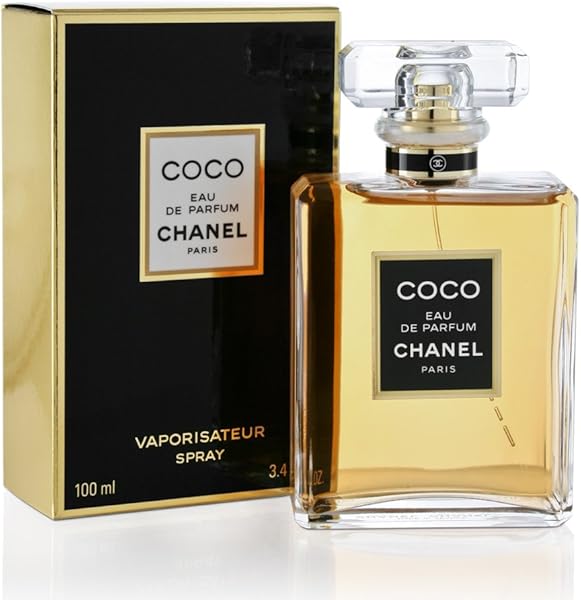
Side by side
Comparing the originals — price, breadth, listed-note depth.
Mandarin sparks a brief, tart opening before coriander pulls everything into warm, slightly spiced territory within minutes. The heart is dense — rose and jasmine stacked against powdery mimosa, lush but never watery. Amber and benzoin anchor the dry-down into something resinous and almost chewy, with vanilla smoothing the edges into a skin-close trail that lingers for hours. Projection is confident without being aggressive; sillage is rich but controlled, leaving a warm amber-floral signature on fabric and skin alike — a cold-weather fragrance for evenings out or occasions that call for deliberate, unapologetic glamour.
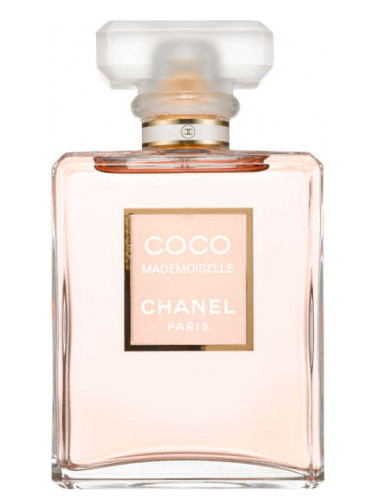
Bright bergamot and orange cut through immediately on opening — clean and citrus-sharp without smelling like a room spray. The heart softens fast into rose and jasmine, polished and feminine but never powdery or old-fashioned. Patchouli grounds everything without going earthy or dark; it reads more as depth than dirt. Dry-down is white musk doing the heavy lifting — warm, skin-close, slightly sweet. Projection is moderate and well-behaved; the sillage lingers as a soft floral-woody trail rather than a statement cloud — an everyday wear for someone who wants to smell intentionally put-together without trying too hard.
How they overlap
Coco and Coco Mademoiselle share 2 notes (rose, jasmine). The same note name doesn't always mean the same scent — different houses use different vanillas, different woods, different musks — but a multi-note shared spine usually does indicate genuinely-comparable wear character. The remaining notes (6 unique to Coco, 4 unique to Coco Mademoiselle) are where the divergence happens.
The buying decision
Coco Mademoiselle is the cheaper original at $165 compared to $175 for Coco — about 6% less. Coco is built for fall/winter; Coco Mademoiselle for spring/summer/fall. Pick by when you'd actually wear it.