Absolu Aventus vs Virgin Island Water
Side by side. Scored honestly.
← Compare different fragrances
Side by side
Comparing the originals — price, breadth, listed-note depth.
Pineapple and bergamot hit first — bright, clean, slightly tart — before black currant pulls the opening slightly darker and jammier. The heart settles quickly into ambroxan's signature skin-like warmth, which carries the whole composition through the dry-down. Oakmoss adds a thin green, slightly animalic undercurrent without ever going woody or heavy. Projection is confident without being aggressive; sillage lingers as a warm, slightly metallic-sweet trail. Blends into skin more than it announces itself — sophisticated rather than showy — best suited to professional environments or evening wear in cooler months.
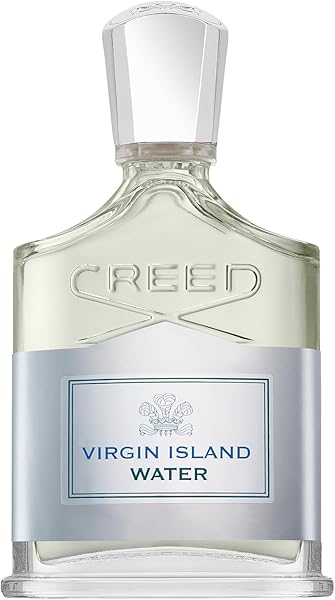
Opens with a bright, almost boozy burst of rum and coconut that reads more like a fresh tropical cocktail than a sunscreen — sharp and effervescent, not sweet or cloying. The heart softens quickly as vanilla rounds the coconut without tipping into dessert territory, while sandalwood and ambroxan anchor the whole thing with quiet warmth. Projection is moderate; this wears close to skin rather than announcing itself across a room. The dry-down is clean, faintly musky driftwood — understated and genuinely wearable. — Best in heat, ideal for beach or resort settings, suits anyone who wants sun-and-sea without going full aquatic.
How they overlap
Absolu Aventus and Virgin Island Water share 2 notes (ambroxan, musk). The same note name doesn't always mean the same scent — different houses use different vanillas, different woods, different musks — but a multi-note shared spine usually does indicate genuinely-comparable wear character. The remaining notes (4 unique to Absolu Aventus, 4 unique to Virgin Island Water) are where the divergence happens.
The buying decision
Virgin Island Water is the cheaper original at $310 compared to $395 for Absolu Aventus — about 22% less. Absolu Aventus covers 3 seasons (spring, summer, fall) — wider weather range than Virgin Island Water, which leans spring/summer-only.
Free: The 30 Best-Tested Dupes Under $40
A community-scored cheat sheet you can download now — 30 designer scents matched for under $40, ranked by accuracy and longevity.