Bois du Portugal vs Himalaya
Side by side. Scored honestly.
← Compare different fragrances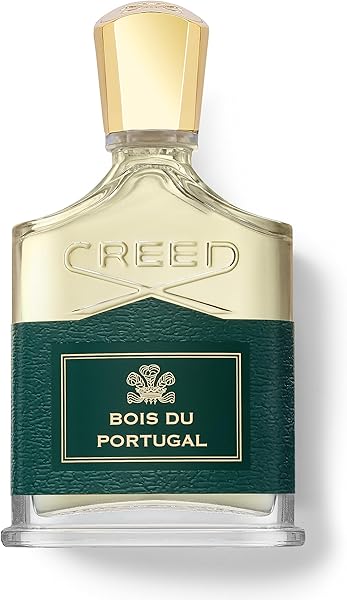

Side by side
Comparing the originals — price, breadth, listed-note depth.
Opens with a bright citrus snap — bergamot and lemon clean and slightly tart — before cedar steps in quickly and takes over the structure. The heart is dry, resinous wood: cedar dominant, sandalwood adding a creamy undertone without going soft. Vetiver grounds everything with a faint earthy smokiness that keeps it from smelling groomed or barbershop-adjacent. The dry-down settles into a musk-warmed woodbase with modest sillage and close-to-skin projection after a few hours — refined without being quiet. — Best in cool weather or professional settings; built for a man who wants presence without announcement.
Opens with a sharp citrus blast — grapefruit and lemon carrying real brightness, lifted further by bergamot — before pink pepper steps in to add mild bite without going spicy. The heart is where it earns its reputation: a clean, almost mineral woodiness anchored by sandalwood, kept airy rather than heavy. The dry-down is smooth and skin-close, white musk and cashmeran pulling it toward something warm and slightly creamy, with ambergris lending a subtle oceanic depth. Projection is moderate, sillage polite but present. — Best in spring and summer; the kind of fresh-woody that works in professional settings without disappearing entirely.
How they overlap
Bois du Portugal and Himalaya share 3 notes (lemon, bergamot, sandalwood). The same note name doesn't always mean the same scent — different houses use different vanillas, different woods, different musks — but a multi-note shared spine usually does indicate genuinely-comparable wear character. The remaining notes (3 unique to Bois du Portugal, 5 unique to Himalaya) are where the divergence happens.
The buying decision
Bois du Portugal is the cheaper original at $310 compared to $440 for Himalaya — about 30% less. Himalaya covers 3 seasons (spring, summer, fall) — wider weather range than Bois du Portugal, which leans spring/fall-only.
Recommendation
If you're price-sensitive, Bois du Portugal delivers comparable territory at $130 less than Himalaya. If you want the specific character of Himalaya — the prose above is the better guide than the price — the premium is what you're paying for.
Free: The 30 Best-Tested Dupes Under $40
A community-scored cheat sheet you can download now — 30 designer scents matched for under $40, ranked by accuracy and longevity.