Himalaya vs Virgin Island Water
Side by side. Scored honestly.
← Compare different fragrances
Side by side
Comparing the originals — price, breadth, listed-note depth.
Opens with a sharp citrus blast — grapefruit and lemon carrying real brightness, lifted further by bergamot — before pink pepper steps in to add mild bite without going spicy. The heart is where it earns its reputation: a clean, almost mineral woodiness anchored by sandalwood, kept airy rather than heavy. The dry-down is smooth and skin-close, white musk and cashmeran pulling it toward something warm and slightly creamy, with ambergris lending a subtle oceanic depth. Projection is moderate, sillage polite but present. — Best in spring and summer; the kind of fresh-woody that works in professional settings without disappearing entirely.
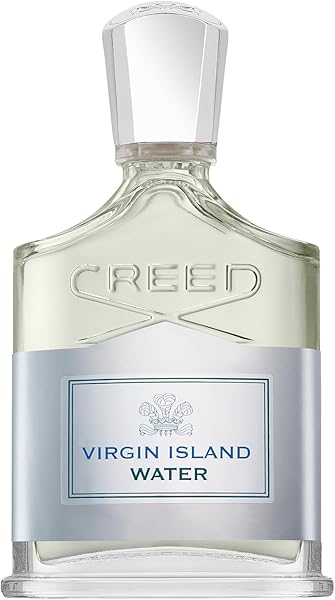
Opens with a bright, almost boozy burst of rum and coconut that reads more like a fresh tropical cocktail than a sunscreen — sharp and effervescent, not sweet or cloying. The heart softens quickly as vanilla rounds the coconut without tipping into dessert territory, while sandalwood and ambroxan anchor the whole thing with quiet warmth. Projection is moderate; this wears close to skin rather than announcing itself across a room. The dry-down is clean, faintly musky driftwood — understated and genuinely wearable. — Best in heat, ideal for beach or resort settings, suits anyone who wants sun-and-sea without going full aquatic.
How they overlap
Himalaya and Virgin Island Water share exactly one note (sandalwood). The overlap is real but narrow — most of the wear experience will diverge.
The buying decision
Virgin Island Water is the cheaper original at $310 compared to $440 for Himalaya — about 30% less. Himalaya covers 3 seasons (spring, summer, fall) — wider weather range than Virgin Island Water, which leans spring/summer-only.
Recommendation
If you're price-sensitive, Virgin Island Water delivers comparable territory at $130 less than Himalaya. If you want the specific character of Himalaya — the prose above is the better guide than the price — the premium is what you're paying for.
Free: The 30 Best-Tested Dupes Under $40
A community-scored cheat sheet you can download now — 30 designer scents matched for under $40, ranked by accuracy and longevity.