Love in Black vs Pure White Cologne
Side by side. Scored honestly.
← Compare different fragrances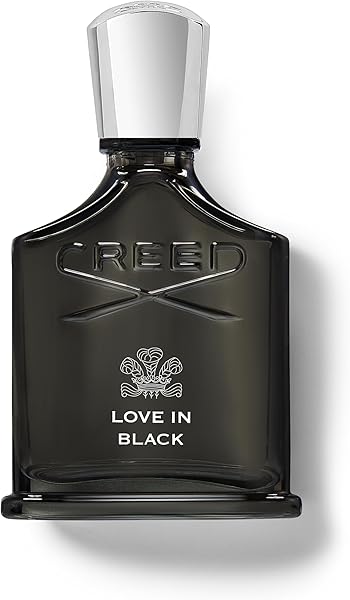
Side by side
Comparing the originals — price, breadth, listed-note depth.
Blackcurrant opens with a tart, almost inky sharpness before rose and iris take over in the heart — cool, powdery, and serious rather than soft or romantic. The floral core leans more gray than pink, the iris adding a rooty, slightly metallic edge that keeps it from reading as conventional. Cedar and vetiver anchor the dry-down into something dry and woody, while sandalwood and musk bring just enough warmth to smooth the edges. Projection is moderate; sillage stays close but leaves a clean, sophisticated trail — best worn in fall and winter by someone who wants a dark floral with real backbone, not sweetness.
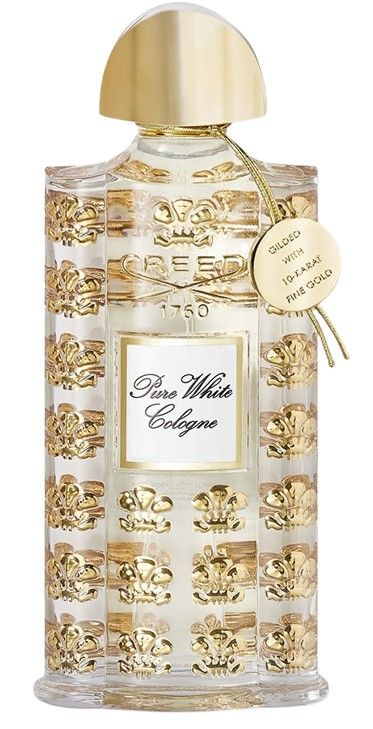
Opens with a sharp, clean bite of mint layered over bright lemon and mandarin — citrus that reads as genuinely crisp rather than sweet. The heart softens quickly as jasmine comes through, adding a light floral dimension without turning soapy or powdery. Dry-down is where sandalwood and musk take over, grounding the whole thing in a warm, skin-close finish. Projection is modest; sillage stays polite and personal rather than filling a room — A warm-weather staple for anyone who wants clean and effortless without disappearing entirely.
How they overlap
Love in Black and Pure White Cologne share 2 notes (sandalwood, musk). The same note name doesn't always mean the same scent — different houses use different vanillas, different woods, different musks — but a multi-note shared spine usually does indicate genuinely-comparable wear character. The remaining notes (6 unique to Love in Black, 4 unique to Pure White Cologne) are where the divergence happens.
The buying decision
Original-bottle pricing is essentially identical ($310 vs $310), so the choice rarely comes down to upfront cost. Love in Black is built for fall/winter; Pure White Cologne for spring/summer. Pick by when you'd actually wear it.