Viking vs Erolfa
Side by side. Scored honestly.
← Compare different fragrances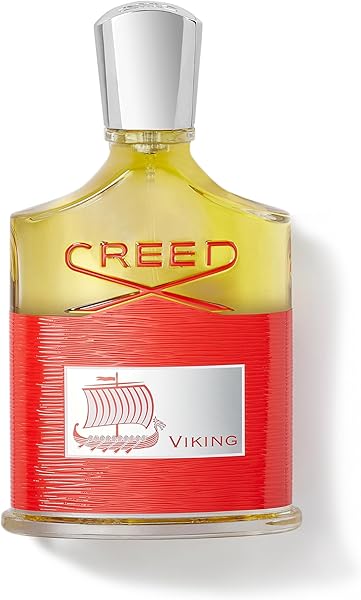
Side by side
Comparing the originals — price, breadth, listed-note depth.
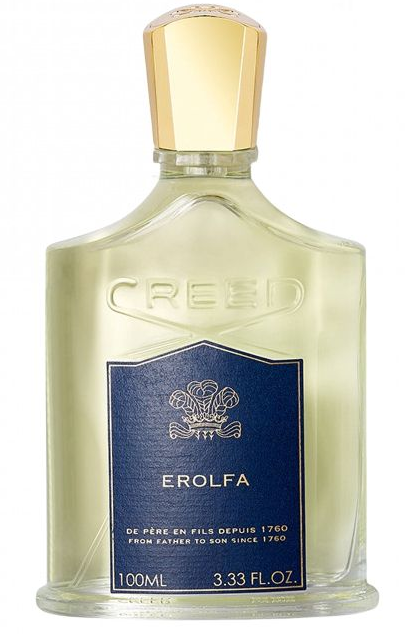
Bergamot and mint hit first — clean, slightly sharp, more spa-fresh than bracing. Lavender and rose settle into the heart with a quiet elegance that keeps the floral side restrained rather than pretty; pink pepper adds a dry prickle without stealing focus. The dry-down is where it earns its price: cedar and vetiver ground everything into a smooth, slightly smoky wood base that wears close to skin but maintains steady sillage for five to six hours. Projection is moderate — present without demanding attention — Ideal for warm-weather office wear or a polished date-night option for someone who wants clean and composed over loud.
Opens with a bright, slightly tart lemon-bergamot burst that reads more Mediterranean coast than candy counter, with neroli adding a clean floral lift in the early heart. Geranium grounds it with a faint green-rosy edge before the dry-down settles into ambroxan's warm, skin-like softness anchored by a quiet musk. Projection is moderate and polished — present without announcing itself, leaving a subtle woody-aquatic halo close to the skin for hours — a well-mannered sillage that rewards proximity rather than filling rooms. — Warm-weather everyday wear for someone who wants clean and effortless without smelling like a generic shower gel.
How they overlap
Viking and Erolfa share exactly one note (bergamot). The overlap is real but narrow — most of the wear experience will diverge.
The buying decision
Erolfa is the cheaper original at $310 compared to $435 for Viking — about 29% less. Viking covers 3 seasons (spring, summer, fall) — wider weather range than Erolfa, which leans spring/summer-only.
Recommendation
If you're price-sensitive, Erolfa delivers comparable territory at $125 less than Viking. If you want the specific character of Viking — the prose above is the better guide than the price — the premium is what you're paying for.
Free: The 30 Best-Tested Dupes Under $40
A community-scored cheat sheet you can download now — 30 designer scents matched for under $40, ranked by accuracy and longevity.