Sauvage Elixir vs Ambre Nuit
Side by side. Scored honestly.
← Compare different fragrances
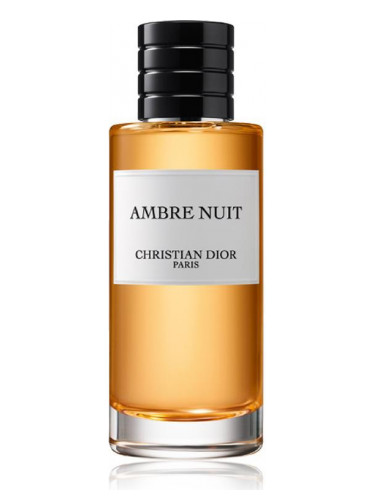
Side by side
Comparing the originals — price, breadth, listed-note depth.
Opens with a sharp grapefruit that burns off fast, giving way almost immediately to a dense spice core — cinnamon and cardamom packed tightly together, slightly medicinal, unapologetically loud. The heart pushes amber and sandalwood into a thick, resinous warmth, while vetiver grounds everything with an earthy bite that keeps it from going full-sweet. Projection is aggressive early, settling into a heavy, close-skin sillage by hour three. The dry-down is long, dark, and persistent — this doesn't whisper. — Cold-weather evenings, confident wear, best when you're not trying to go unnoticed.
Opens with a deep, resinous amber that immediately anchors the rose rather than letting it float free — the Persian rose here reads as dark and slightly powdery, not fresh or dewy. Patchouli and guaiac wood push the heart toward a smoky, almost leathery warmth, while ambergris adds a subtle oceanic skin-like quality underneath. Dry-down is long and unhurried, settling into a soft amber musk with moderate sillage that clings close without broadcasting. Projection is intimate, not loud — a second-skin finish. — Best for late autumn and winter evenings, date nights, anyone who wants warmth without sweetness.
How they overlap
Sauvage Elixir and Ambre Nuit share exactly one note (amber). The overlap is real but narrow — most of the wear experience will diverge.
The buying decision
Sauvage Elixir is the cheaper original at $199 compared to $325 for Ambre Nuit — about 39% less. Both wear best across the same fall/winter — they're interchangeable on weather fit.
Recommendation
If you're price-sensitive, Sauvage Elixir delivers comparable territory at $126 less than Ambre Nuit. If you want the specific character of Ambre Nuit — the prose above is the better guide than the price — the premium is what you're paying for.
Free: The 30 Best-Tested Dupes Under $40
A community-scored cheat sheet you can download now — 30 designer scents matched for under $40, ranked by accuracy and longevity.