Sauvage Elixir vs Hacivat
Side by side. Scored honestly.
← Compare different fragrances
Side by side
Comparing the originals — price, breadth, listed-note depth.
Opens with a sharp grapefruit that burns off fast, giving way almost immediately to a dense spice core — cinnamon and cardamom packed tightly together, slightly medicinal, unapologetically loud. The heart pushes amber and sandalwood into a thick, resinous warmth, while vetiver grounds everything with an earthy bite that keeps it from going full-sweet. Projection is aggressive early, settling into a heavy, close-skin sillage by hour three. The dry-down is long, dark, and persistent — this doesn't whisper. — Cold-weather evenings, confident wear, best when you're not trying to go unnoticed.
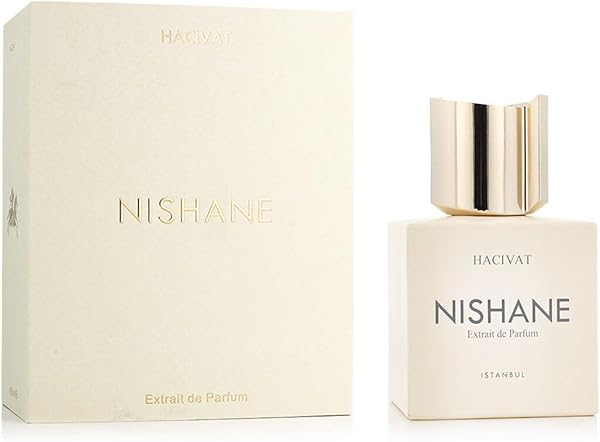
Opens with a punchy burst of pineapple and grapefruit that feels bright but not candied, bergamot keeping it from tipping sweet. Within the first hour, oakmoss pulls it into darker territory — earthy, almost leathery — while labdanum adds a warm resinous base that keeps it grounded through the dry-down. Projection is confident without being aggressive; sillage trails richly for hours. The result is a rare balance: tropical sharpness over a mossy, amber-weighted foundation that wears surprisingly sophisticated — Best in warm-to-cool transitional weather for someone who wants a fresh opening with serious depth underneath.
How they overlap
Sauvage Elixir and Hacivat share exactly one note (grapefruit). The overlap is real but narrow — most of the wear experience will diverge.
The buying decision
Sauvage Elixir is the cheaper original at $265 compared to $395 for Hacivat — about 33% less. Sauvage Elixir is built for fall/winter; Hacivat for spring/summer/fall. Pick by when you'd actually wear it.
Recommendation
If you're price-sensitive, Sauvage Elixir delivers comparable territory at $130 less than Hacivat. If you want the specific character of Hacivat — the prose above is the better guide than the price — the premium is what you're paying for.
Free: The 30 Best-Tested Dupes Under $40
A community-scored cheat sheet you can download now — 30 designer scents matched for under $40, ranked by accuracy and longevity.