Eau Capitale vs Fleur de Peau
Side by side. Scored honestly.
← Compare different fragrances
Side by side
Comparing the originals — price, breadth, listed-note depth.
Opens with a sharp blackcurrant and litchi burst — slightly tart, faintly boozy — before a dense, powdery rose climbs in and takes over the heart completely. The rose here isn't delicate or dewy; it's full-bodied and slightly bruised, with the blackcurrant keeping it from tipping into grandmotherly territory. Patchouli and musk anchor the dry-down into something warm and skin-close, with moderate projection and a soft, lingering sillage that stays intimate rather than announcing itself across rooms — Built for cooler spring evenings or early fall, best suited to someone who wants a modern rose with an edge rather than a classic one.
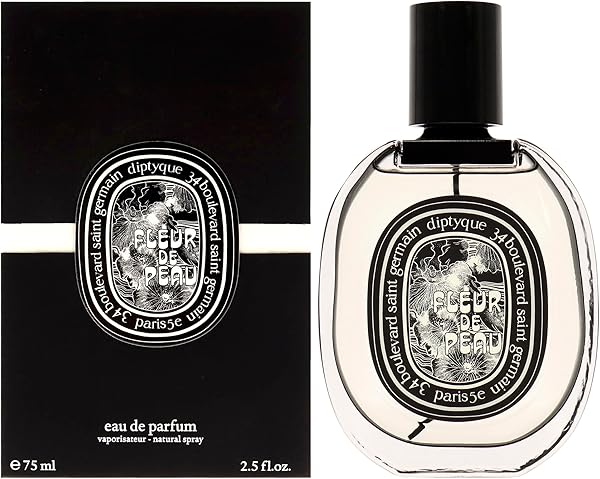
Opens with a bright snap of bergamot and pink pepper before softening quickly into a skin-close iris — powdery but never starchy, lifted by ambrette's soft muskiness. The heart reads as clean, warm flesh rather than a recognizable flower, with sandalwood and cistus adding a faint resinous haze. Dry-down is almost entirely musk and ambergris, intimate in projection and barely-there in sillage. It smells like someone's warm neck, not a bouquet — refined minimalism that rewards closeness over broadcast — Perfect for late spring and early fall wear, ideal for office or quiet social settings where subtlety reads as sophistication.
How they overlap
Eau Capitale and Fleur de Peau share exactly one note (musk). The overlap is real but narrow — most of the wear experience will diverge.
The buying decision
Eau Capitale is the cheaper original at $175 compared to $245 for Fleur de Peau — about 29% less. Fleur de Peau covers 3 seasons (spring, summer, fall) — wider weather range than Eau Capitale, which leans spring/fall-only.