Eau Rose vs Philosykos EDP
Side by side. Scored honestly.
← Compare different fragrances
Side by side
Comparing the originals — price, breadth, listed-note depth.
Opens with a juicy, slightly watery lychee that keeps the rose from going full-on florist — the two notes read almost simultaneously, giving the opening a soft, translucent fruit-and-petal quality rather than anything green or sharp. The heart settles into a clean, dewy rose that stays convincingly natural without turning powdery. Projection is modest from the start; this wears close to the skin and doesn't announce itself. The dry-down is a barely-there white musk that extends the rose quietly for a few hours before fading entirely — ideal for warm-weather days when you want scent presence without weight, especially for anyone who finds most roses too heavy or too sweet.
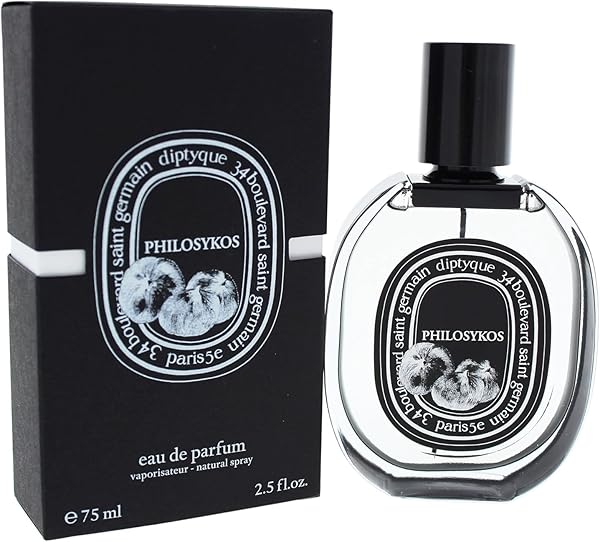
Opens with a sharp, green fig-leaf bite — almost resinous, slightly milky — before coconut and almond soften it into something quietly creamy. The heart is the main event: ripe fig flesh with a sweet nuttiness that never turns syrupy, anchored by cedar and fig wood giving it dry, grainy structure. Projection is moderate and intimate; this is a close-to-skin fragrance rather than a room-filler. The dry-down settles into warm musk and wood with the creaminess still present but subdued. — Best in late summer or early autumn, on anyone who wants something subtly edible without reading as dessert.
How they overlap
Eau Rose and Philosykos EDP share exactly one note (musk). The overlap is real but narrow — most of the wear experience will diverge.
The buying decision
Eau Rose is the cheaper original at $185 compared to $310 for Philosykos EDP — about 40% less. They sit in different families — Eau Rose is floral, Philosykos EDP is woody+gourmand. Comparison is more about preference than tradeoff.
Recommendation
If you're price-sensitive, Eau Rose delivers comparable territory at $125 less than Philosykos EDP. If you want the specific character of Philosykos EDP — the prose above is the better guide than the price — the premium is what you're paying for.