Ofresia vs Eau Rose
Side by side. Scored honestly.
← Compare different fragrances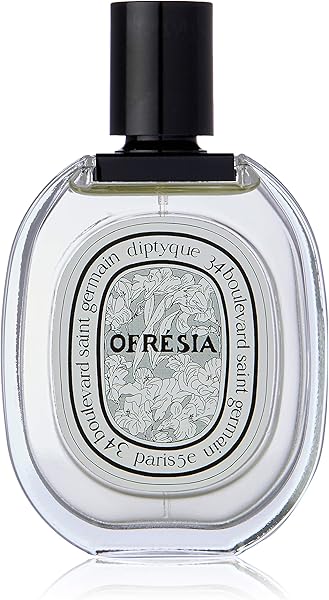

Side by side
Comparing the originals — price, breadth, listed-note depth.
Bergamot opens it with a clean citrus lift that clears fast, making way for a freesia-forward heart that's dewy and softly green — realistic rather than candied. Rose and jasmine hover underneath, adding roundness without tipping into heavy florals. The dry-down is where the sandalwood and musk earn their place: they pull everything into a skin-close warmth that stays quietly present for hours. Projection is modest, sillage intimate — this wears close to the body throughout. — Ideal for warm-weather days and office wear; best suited to anyone who wants a fresh floral that reads effortless rather than loud.
Opens with a juicy, slightly watery lychee that keeps the rose from going full-on florist — the two notes read almost simultaneously, giving the opening a soft, translucent fruit-and-petal quality rather than anything green or sharp. The heart settles into a clean, dewy rose that stays convincingly natural without turning powdery. Projection is modest from the start; this wears close to the skin and doesn't announce itself. The dry-down is a barely-there white musk that extends the rose quietly for a few hours before fading entirely — ideal for warm-weather days when you want scent presence without weight, especially for anyone who finds most roses too heavy or too sweet.
How they overlap
Ofresia and Eau Rose share 2 notes (rose, musk). The same note name doesn't always mean the same scent — different houses use different vanillas, different woods, different musks — but a multi-note shared spine usually does indicate genuinely-comparable wear character. The remaining notes (4 unique to Ofresia, 4 unique to Eau Rose) are where the divergence happens.
The buying decision
Ofresia is the cheaper original at $175 compared to $185 for Eau Rose — about 5% less. Both wear best across the same spring/summer — they're interchangeable on weather fit.