Blue Talisman vs Silver Mountain Water
Side by side. Scored honestly.
← Compare different fragrances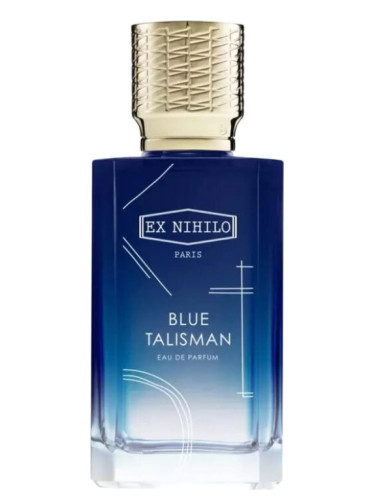

Side by side
Comparing the originals — price, breadth, listed-note depth.
Opens with a crisp, slightly tart bergamot that clears quickly to reveal the heart: a cool, powdery iris that leans more rooty and earthy than floral. Vetiver deepens things without going smoky — it stays clean and slightly green, grounding the iris rather than competing with it. Ambroxan hums underneath from the start, giving the whole composition that skin-close, airy warmth it builds toward. Projection is moderate; sillage is intimate by the dry-down, which settles into a soft vetiver-ambroxan skin scent — Wear spring through fall when you want something polished and quietly distinctive rather than loud.
Opens with a bright snap of bergamot and mandarin that dries down fast, pulling green tea and blackcurrant into the heart — the two together read as cool and slightly tart rather than sweet or fruity. Sandalwood grounds it without going woody, and a clean musk carries things through a quiet, close-to-skin dry-down. Projection is moderate at best; this isn't a room-filler, it's a personal-space fragrance with refined sillage that rewards proximity. — Spring and fall office or date wear for anyone who wants clean without smelling like soap.
How they overlap
Blue Talisman and Silver Mountain Water share exactly one note (bergamot). The overlap is real but narrow — most of the wear experience will diverge.
The buying decision
Blue Talisman is the cheaper original at $385 compared to $490 for Silver Mountain Water — about 21% less. Both wear best across the same spring/summer/fall — they're interchangeable on weather fit.
Recommendation
If you're price-sensitive, Blue Talisman delivers comparable territory at $105 less than Silver Mountain Water. If you want the specific character of Silver Mountain Water — the prose above is the better guide than the price — the premium is what you're paying for.
Free: The 30 Best-Tested Dupes Under $40
A community-scored cheat sheet you can download now — 30 designer scents matched for under $40, ranked by accuracy and longevity.