Dries Van Noten vs Musc Ravageur
Side by side. Scored honestly.
← Compare different fragrances
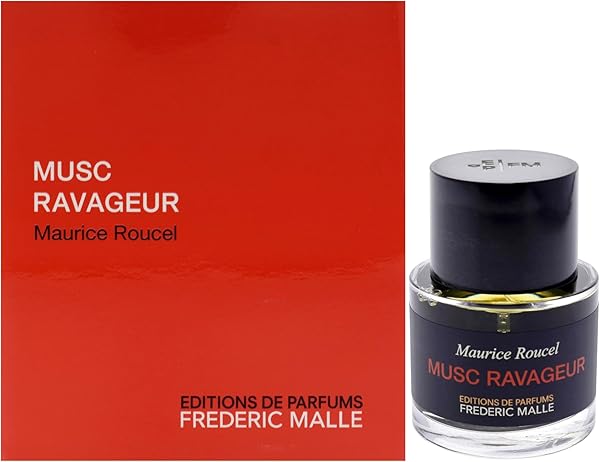
Side by side
Comparing the originals — price, breadth, listed-note depth.
Bergamot opens clean and citrus-bright but burns off quickly, handing control to a cool, powdery iris that anchors the whole composition. Rose sits just underneath — present but never loud, softened by heliotrope into something almost almond-dusted. Patchouli adds depth without going earthy or dark; it reads more as texture than note. The dry-down is where it earns its price: sandalwood and vanilla settle into a warm, seamless skin accord with quiet, intimate sillage that lasts for hours — Made for slow autumn evenings and people who dress with intention.
Bergamot and lavender open clean and brief before cinnamon and cloves take over, pushing the fragrance into warm, spiced territory within minutes. The heart is dense — tonka and vanilla anchor the musk into something skin-close and almost edible, with sandalwood smoothing the spice into leather-adjacent softness. Dry-down projection is moderate but the sillage lingers long, leaving a trail of sweetened musk that reads intimate rather than loud. Richer than it first suggests, it rewards close contact more than distance — cold-weather evenings, confident wearers who want something that smells like skin, only better.
How they overlap
Dries Van Noten and Musc Ravageur share 3 notes (bergamot, sandalwood, vanilla). The same note name doesn't always mean the same scent — different houses use different vanillas, different woods, different musks — but a multi-note shared spine usually does indicate genuinely-comparable wear character. The remaining notes (4 unique to Dries Van Noten, 5 unique to Musc Ravageur) are where the divergence happens.
The buying decision
Musc Ravageur is the cheaper original at $280 compared to $310 for Dries Van Noten — about 10% less. Both wear best across the same fall/winter — they're interchangeable on weather fit.