Dries Van Noten vs Portrait of a Lady
Side by side. Scored honestly.
← Compare different fragrances
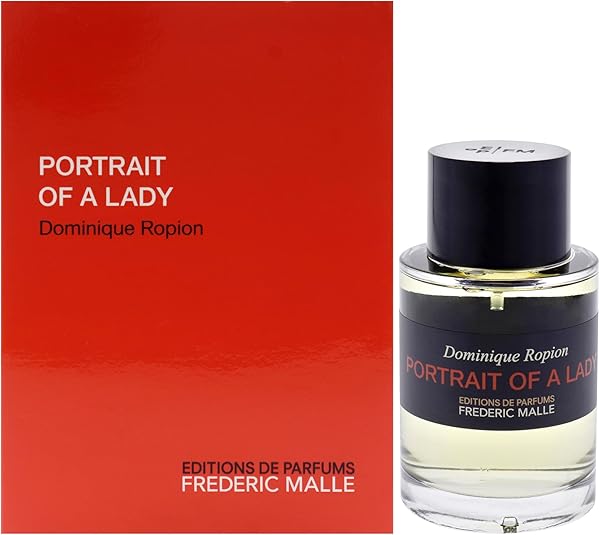
Side by side
Comparing the originals — price, breadth, listed-note depth.
Bergamot opens clean and citrus-bright but burns off quickly, handing control to a cool, powdery iris that anchors the whole composition. Rose sits just underneath — present but never loud, softened by heliotrope into something almost almond-dusted. Patchouli adds depth without going earthy or dark; it reads more as texture than note. The dry-down is where it earns its price: sandalwood and vanilla settle into a warm, seamless skin accord with quiet, intimate sillage that lasts for hours — Made for slow autumn evenings and people who dress with intention.
Opens with a burst of raspberry and blackcurrant that reads almost jammy before the turkish rose climbs in and takes over — full, dark, and slightly powdery rather than fresh-cut. The heart is where this earns its reputation: rose and patchouli lock together into something dense and resinous, more incense than floral. The dry-down softens into sandalwood and musk with strong sillage that lingers for hours without screaming. Projection is assertive but controlled, a fragrance that announces itself without apology — cold-weather evenings, formal occasions, anyone who wants to fill a room.
How they overlap
Dries Van Noten and Portrait of a Lady share 2 notes (patchouli, sandalwood). The same note name doesn't always mean the same scent — different houses use different vanillas, different woods, different musks — but a multi-note shared spine usually does indicate genuinely-comparable wear character. The remaining notes (5 unique to Dries Van Noten, 4 unique to Portrait of a Lady) are where the divergence happens.
The buying decision
Dries Van Noten is the cheaper original at $310 compared to $335 for Portrait of a Lady — about 7% less. Both wear best across the same fall/winter — they're interchangeable on weather fit.